CONTENTS
Introduction
1. 25 years of UN efforts to repatriate foreign combatants from the DRC
2. Regional approaches to DDRRR in the Great Lakes region
3. Spotlight on the 2025 DDR Symposium
4. Spotlight on the Political Transformation Primer Series
5. Operational Updates
6. Capacity Development Update
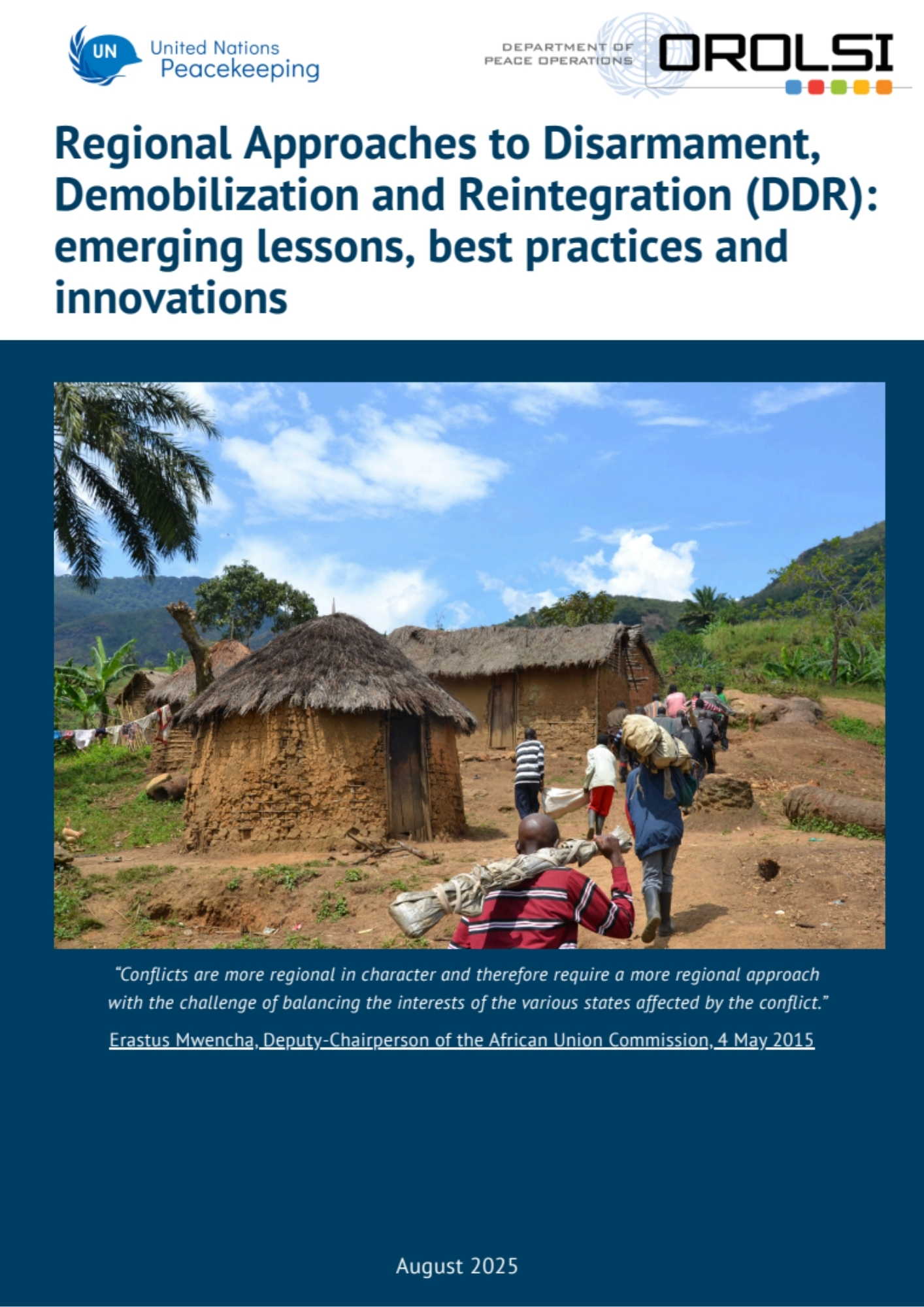
7. Recent Publications
8. Upcoming Events and Trainings
Introduction
The repatriation of foreign combatants is an important expansion of disarmament, demobilization and reintegration (DDR) efforts across borders, especially in regions where armed conflict and instability are not confined to national borders. In the Democratic Republic of the Congo (DRC) and the wider Great Lakes region, disarmament, demobilization, resettlement, repatriation and reintegration (DDRRR) programmes play a crucial role in addressing root causes of conflict, as foreign armed groups, also defined as negative forces, contribute to further destabilization. This edition of the DDR Bulletin therefore highlights historic and ongoing achievements on DDRRR in the DRC and Great Lakes region.
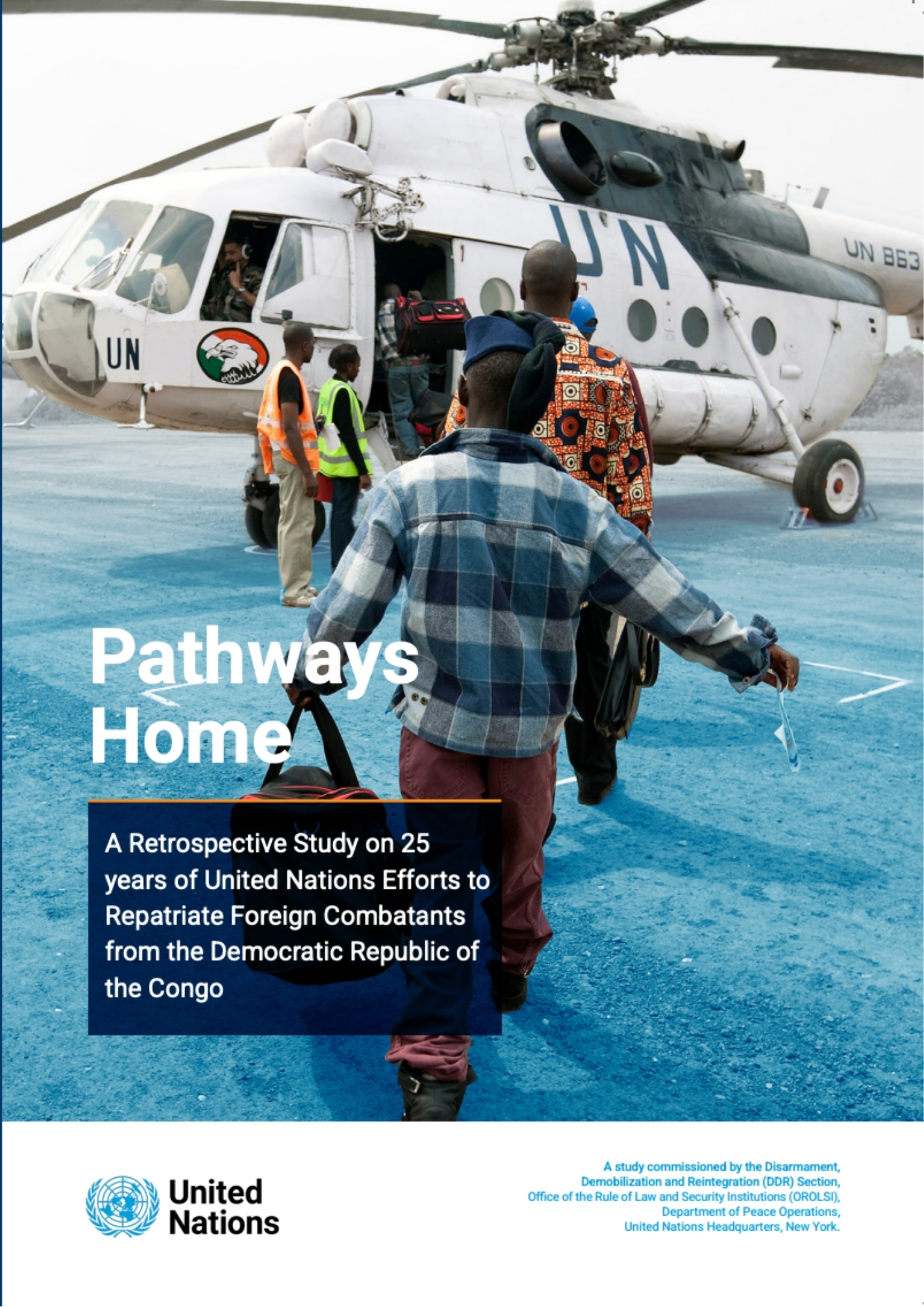
Reflecting on key lesson learned, the Department of Peace Operation’s new landmark publication “Pathways Home: A retrospective study on 25 years of United Nations efforts to repatriate foreign combatants from the Democratic Republic of the Congo” showcases the tools, tactics and tenacity it took to operationalize the DDRRR mandate in a major peacekeeping operation. Its content informs chapter 1 of the Bulletin.
In chapter 2, the Bulletin turns to regional approaches to DDRRR in the Great Lakes through the Contact and Coordination Group (CCG). Derived from the high-level political commitment to regional, non-military measures, the chapter showcases how the CCG has developed guiding frameworks, engaged in regional exchanges and conducted field missions to sensitize foreign armed groups in eastern DRC to operationalize a regional approach to DDRRR.
Beyond this Bulletin’s focus on DDRRR in the DRC and the Great Lakes region, chapter 3 shines the spotlight on the 2025 DDR Symposium that brought together Member States, think tanks, UN staff, and practitioners to advance global DDR dialogue. Chapter 4 highlights the DDR Section’s Political Transformation Primer Series, developed in collaboration with Berghof Foundation, that offers concise and practice-oriented guidance on key themes in DDR. Chapter 5 provides an overview of operational updates on DDR across the globe, showcasing key developments over the last few months. Chapter 6 offers an overview of recent capacity building activities. To conclude, the DDR Bulletin displays recent flagship publications in chapter 7 and offers a list of upcoming trainings on DDR and related themes in chapter 8.
1. 25 years of UN efforts to repatriate foreign combatants from the DRC
In its new flagship publication “Pathways Home: A retrospective study on 25 years of United Nations efforts to repatriate foreign combatants from the Democratic Republic of the Congo”, based on key contribution from the MONUSCO DDR team, the DDR Section showcases how, over nearly 25 years, the UN peacekeeping missions’ Disarmament, Demobilization, Repatriation, Resettlement and Reintegration (DDRRR) programme in the DRC collaborated with States across the Great Lakes region to repatriate 32,818 members of foreign armed groups. Its focus on the history of DDRRR operations targeting different foreign armed groups in eastern DRC, the development of innovative tools, and, finally, the lessons learned from the UN’s vast experience are illustrated in this chapter.
Disarmament, Demobilization, Repatriation, Resettlement and Reintegration of foreign armed groups in the DRC from 1999 to 2024
Innovative DDRRR Tools and Tactics
Sensitization
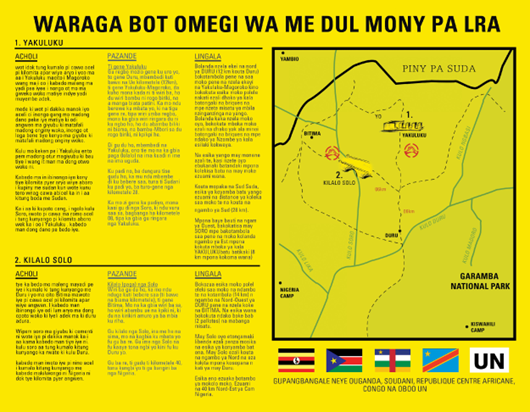
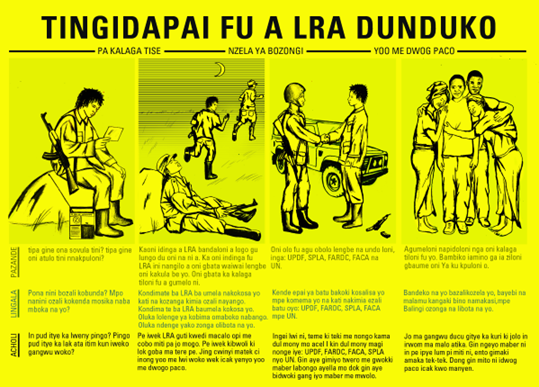
Collaboration with family members and former combatants
Working with families and former combatants to encourage returns was an especially effective tool.
“We created Women’s Voices [a program], where wives, sisters and daughters of FDLR combatants were interviewed. We got letters and messages to the FDLR in the DRC. When the helicopter would land, hundreds of people would come out of the forest and the letters would be handed over to those who came out. They would then be passed on through the ranks to the individuals. This strengthened the link between families and showed those still in the DRC what they were missing.”
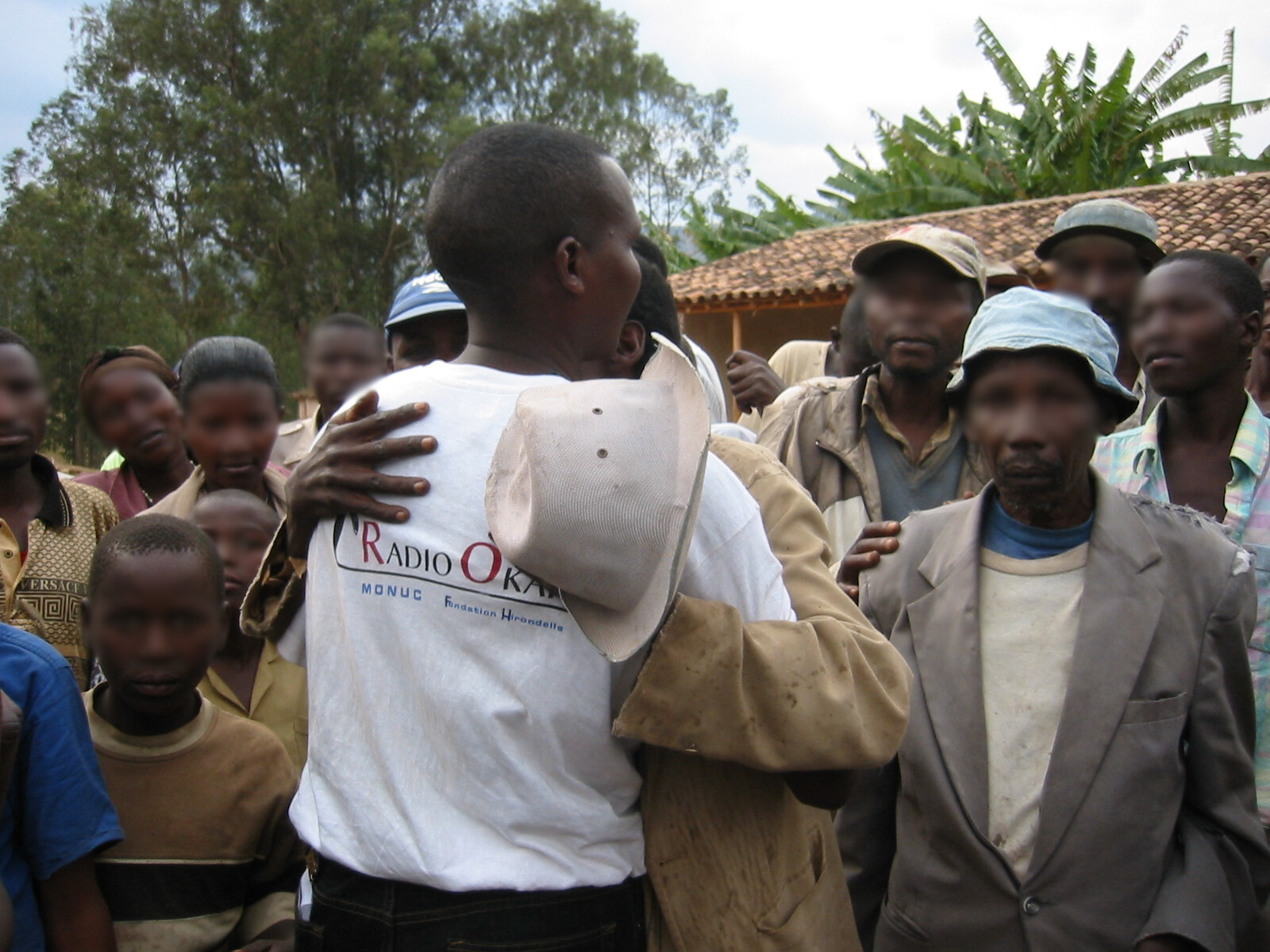
A combatant returning from Kamina is reunited with his family in Rwanda and welcomed back by his relatives. Credit: MONUC/Yasmine Bouziane
Confidence-building and the safety of the client
Maintaining trust with combatants is essential for DDRRR. In the case of the FDLR, the DDRRR Section, for instance, provided accurate information on the international community’s stance toward the group. Confidence-building thus relied on transparent and honest communication.
Proximity to the target
Moving from mobile teams based in Bukavu and Goma to permanent field deployments in more than 25 remote locations near FDLR camps, the DDRRR Section progressively expanded its physical presence in eastern DRC. This proximity enabled deeper trust-building, more effective sensitization, and greater opportunities for combatants to defect, despite FDLR attempts to restrict access. To support this expansion, the Mission significantly increased staffing, making DDRRR the largest substantive component of MONUSCO by 2009–2010.
Coordination with military operations
The DDRRR Section closely coordinated its voluntary disarmament efforts with UN and FARDC military operations by establishing safe corridors during offensives to allow combatants to surrender safely. The coordination of military and non-military measures demonstrated the effectiveness of integrated operational planning despite some initial limitations.
Establishment of a Special Operations Unit to focus on officers of foreign armed groups
To target high-ranking FDLR officers whose defections could disrupt command structures and provide critical intelligence, the DDRRR Section established a Special Operations Unit. By leveraging personal relationships and coordinating with Rwandan and Congolese intelligence agencies, the Unit significantly increased officer defections.
Litigation to erode political leadership
To weaken the FDLR’s strategic coherence and influence over combatants, the DDRRR Section targeted its political leadership through litigation. Legal action, including collaboration with German authorities and support to the prosecution, led to the conviction of key FDLR leaders. These measures were publicized via radio and leaflets to reduce morale, discourage further crimes, and undermine any international or diaspora support of the FDLR.
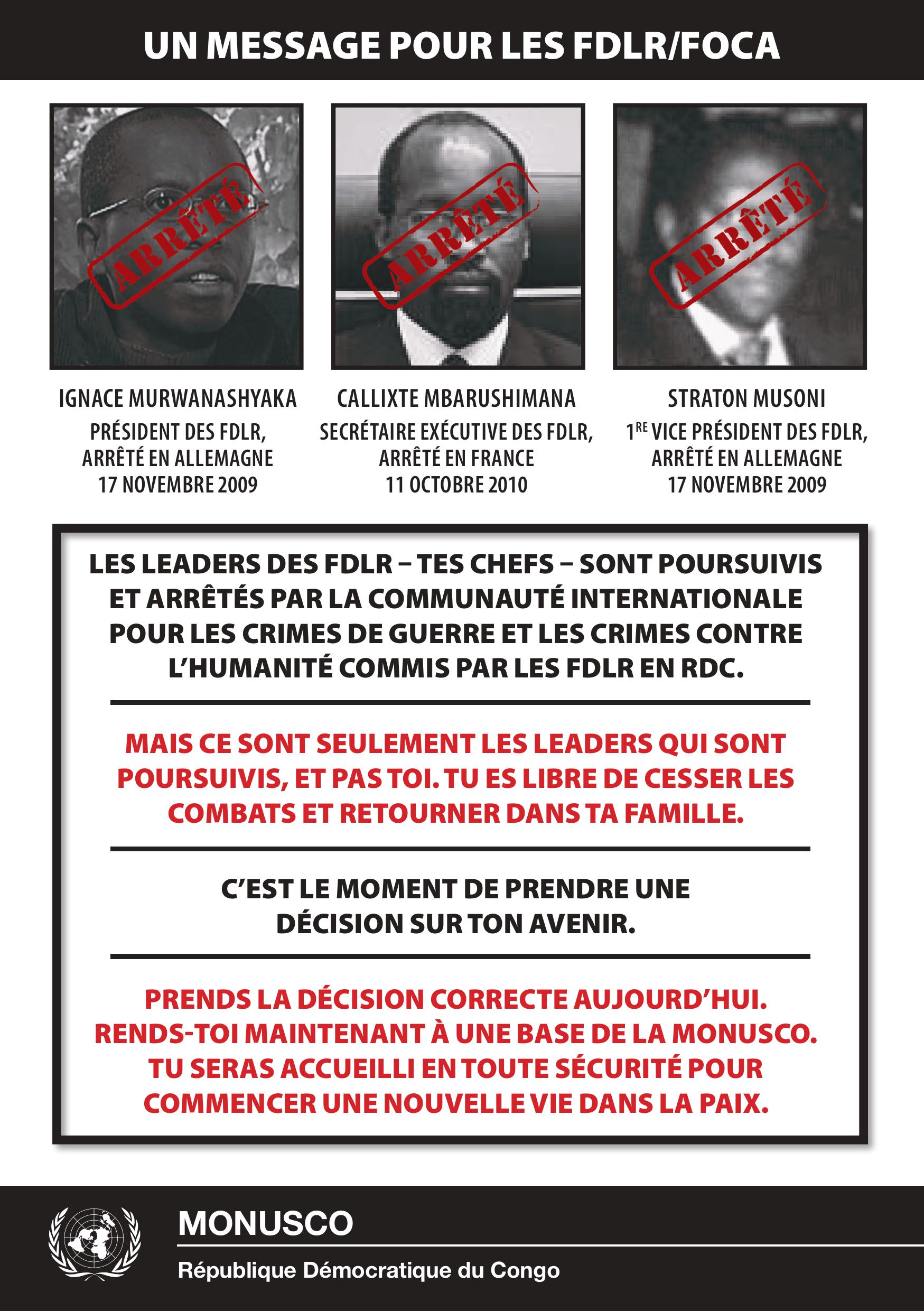
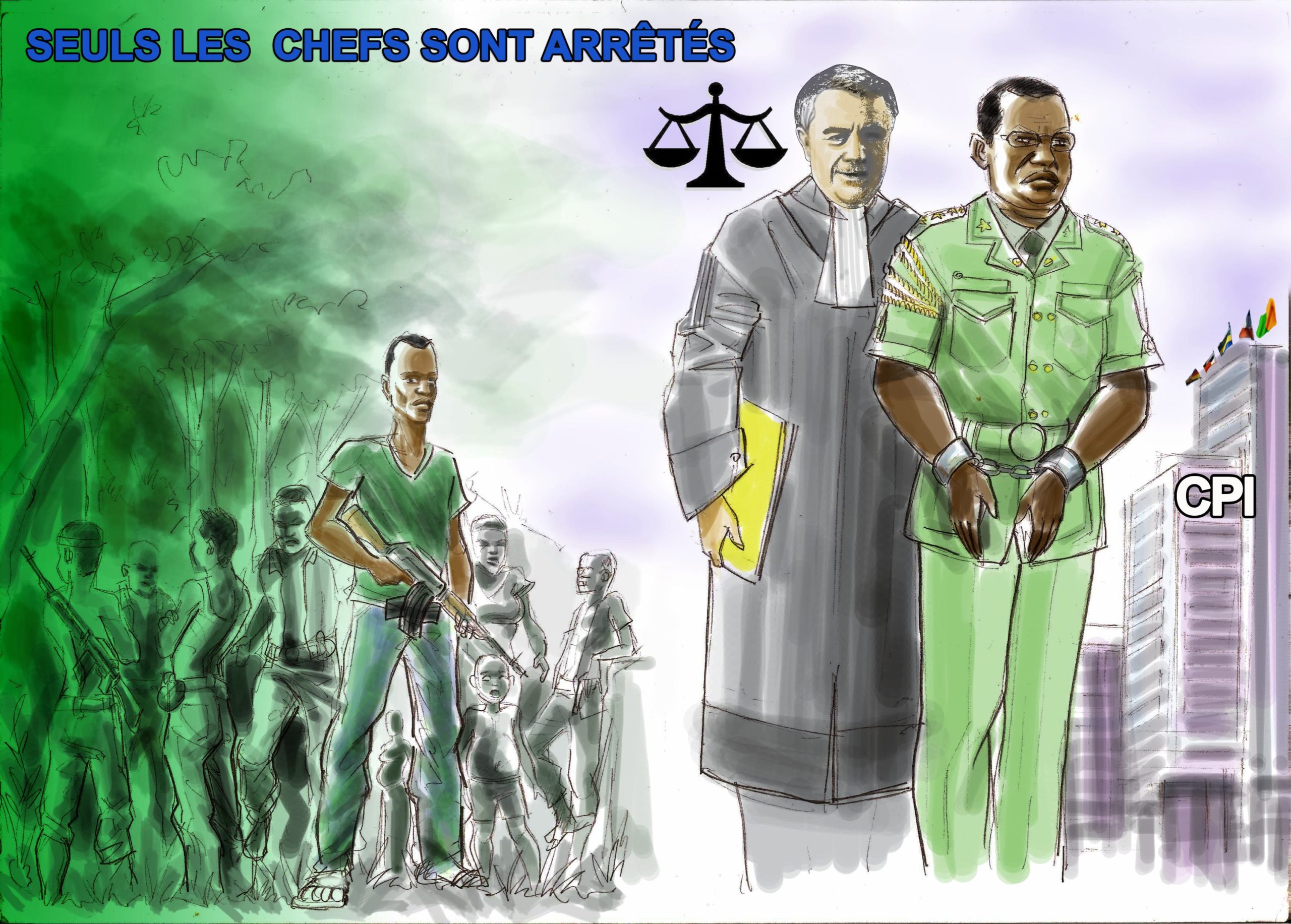
Source: pp. 70-71
Exploitation of divisions within the foreign armed group
The DDRRR Section exploited internal divisions within the FDLR to encourage defections, prompting the moderate wing led by “Colonel” Wilson to break away and form the Conseil national pour le renouveau et la démocratie (CNRD) bringing nearly 1,000 fighters with him. While joint military operations later killed Wilson and led to the repatriation of about 500 members, the DDRRR Section also facilitated the voluntary return of additional CNRD elements to Rwanda.
Whole-of-Mission Approach
The DDRRR Section worked closely with Mission leadership, the Force, and the Mission Support Division to ensure political support, security, and logistics for its operations. Collaboration with the UN Group of Experts helped track armed groups and share critical information. This coordinated approach allowed the DDRRR Section to operate effectively in remote areas, manage complex defections, and maintain strong partnership across Mission structures and with external stakeholders.
Lessons Learned
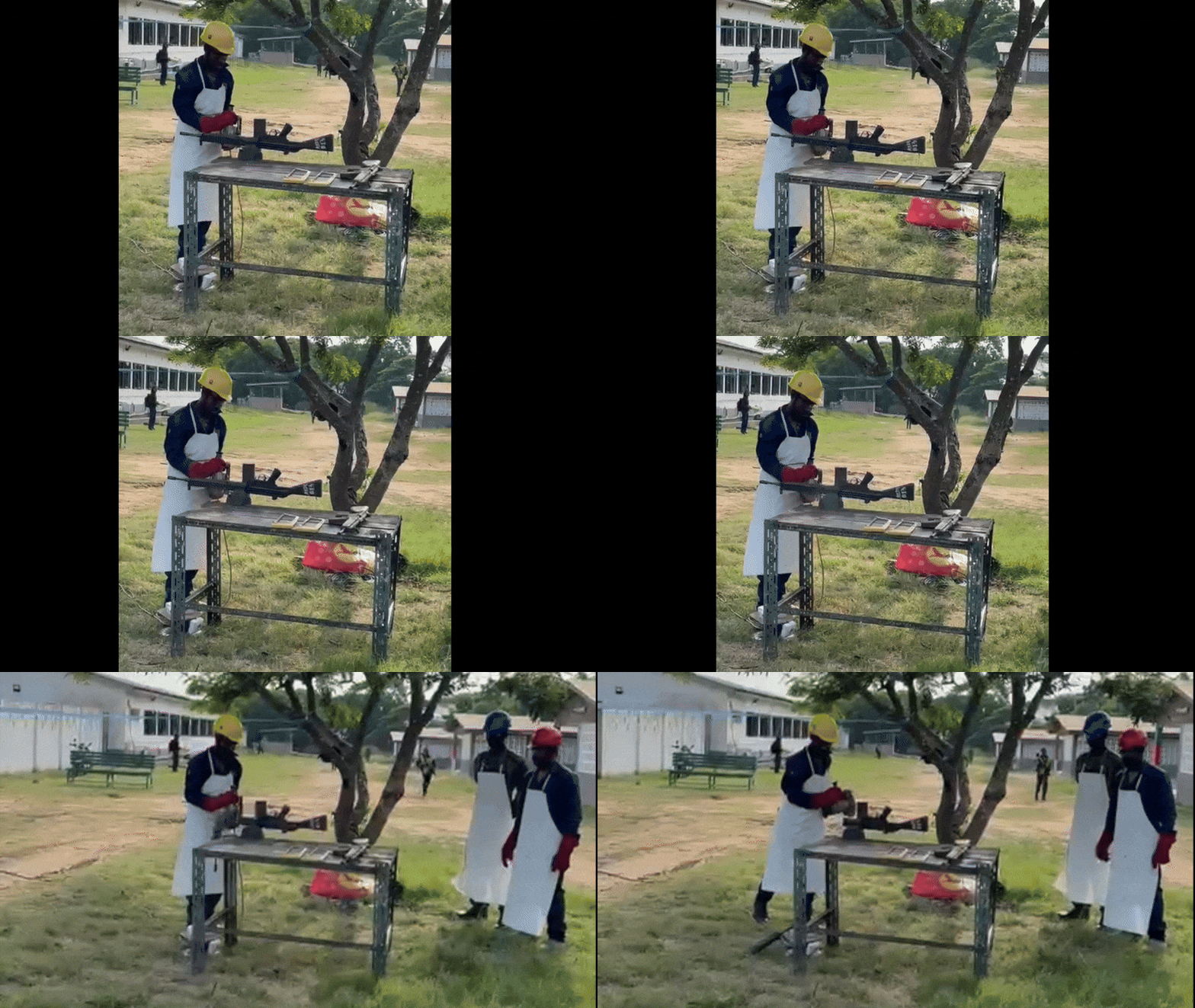
Drawing on the lessons learned to inform MONUSCO’s DDRRR operations today
To launch “Pathways Home: A retrospective study on 25 years of United Nations efforts to repatriate foreign combatants from the Democratic Republic of the Congo” the DDR Section organized a panel discussion at UN Headquarters in New York on 18 December 2025.
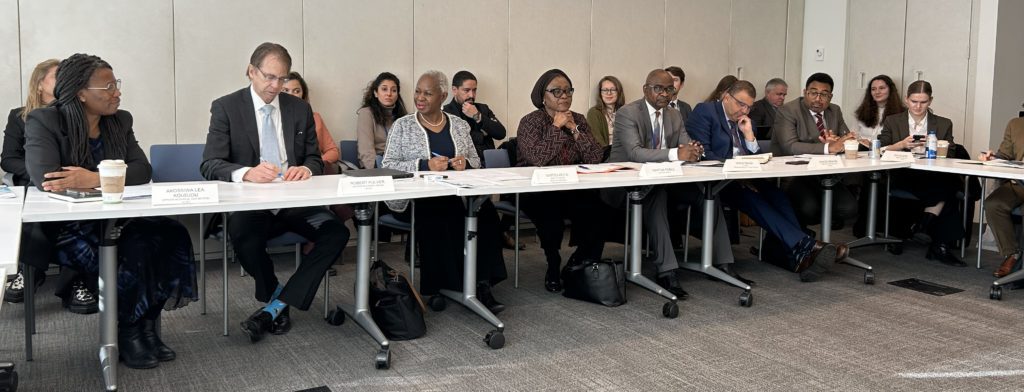
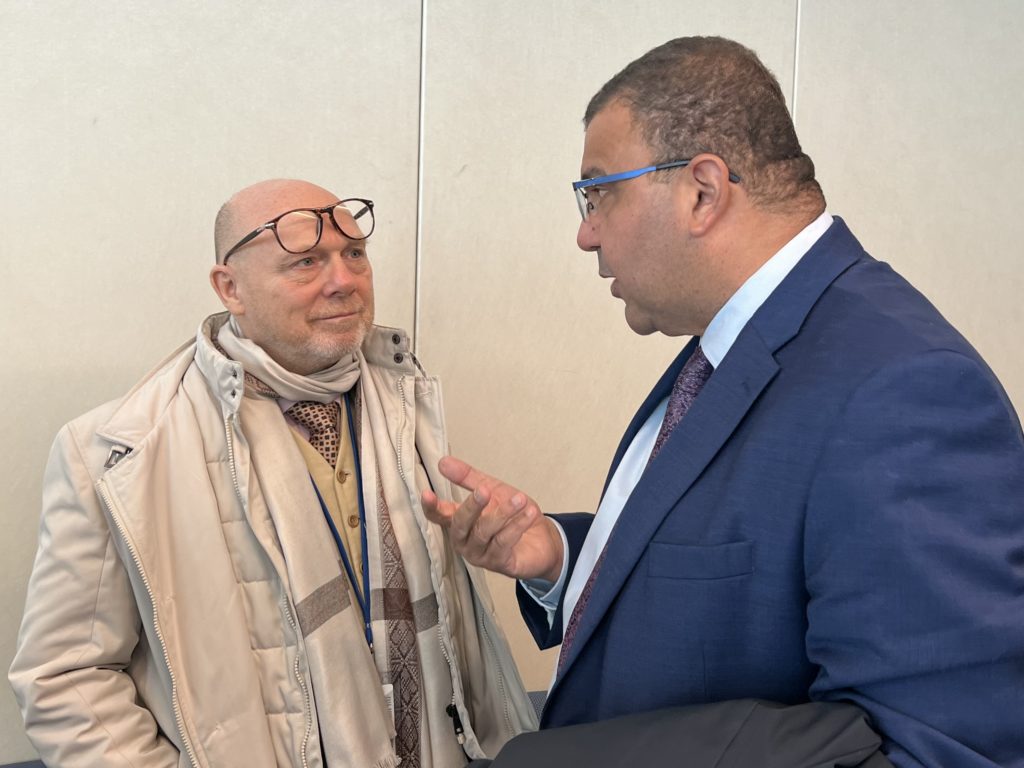
Assistant Secretary-General for Africa, Martha Pobee, and Special Representative of the Secretary-General in the Democratic Republic of the Congo and Head of MONUSCO, Bintou Keita, delivered opening remarks. Following a presentation of the study by its two lead consultants, Simon Yazgi and Matthew Brubacher, three discussants, namely Serge Banza from the Permanent Mission of the DRC to the United Nations, Khaled Ibrahim, the Director of the DDR and Stabilization Section at MONUSCO, and Ugo Solinas, the Director of the DRC-Integrated Operational Team provided reflections on the study’s findings to the current context. After a brief discussion with contributions by Egypt and France, Robert Pulver, Officer-in-Charge of the Office of Rule of Law and Security Institutions in the Department of Peace Operations, delivered closing remarks.
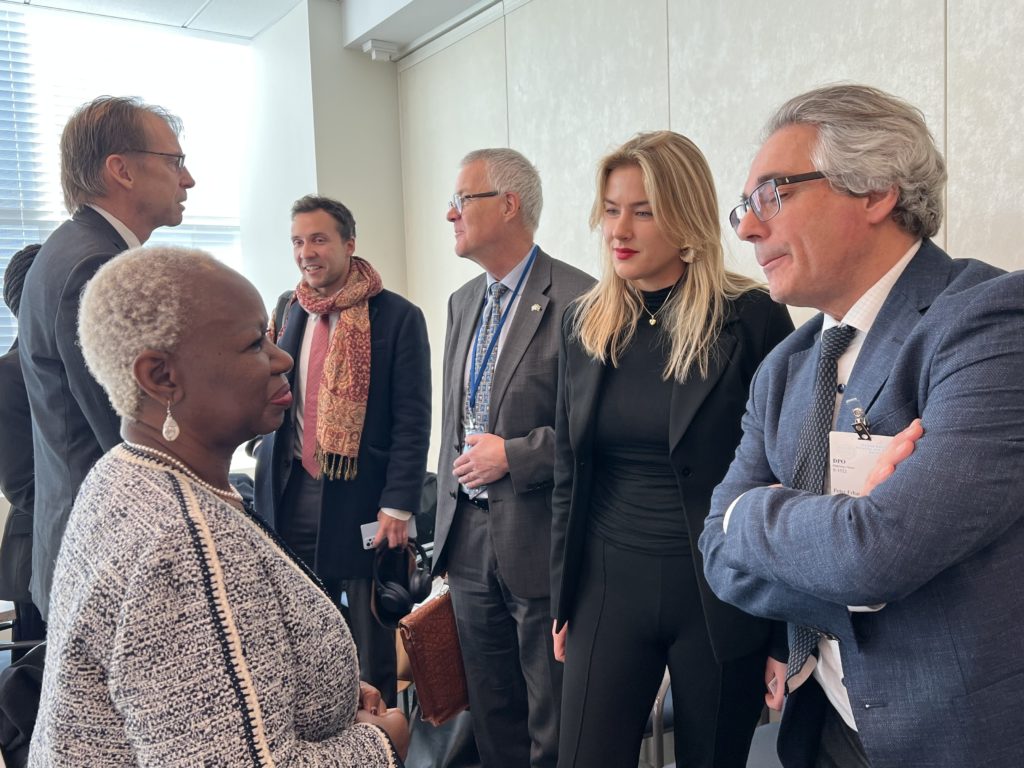
DDRRR is not merely a technical exercise, it is a politically rooted process that advances the broader objectives of peace and stability.
We do not choose our neighbors, but we have to live in harmony with them. The DDRRR programme has contributed to improving cohesion in the region
2. Regional approaches to DDRRR in the Great Lakes region
Evolution of the CCG Mandate
Gradual confidence building and political engagement
Mandate
Under the auspices of the guarantors of the Addis Ababa Accords and the Peace and Security Cooperation Framework (AU, ICGRL, SADC, and UN), The Coordination and Contact Group, is a non-military mechanism composed of representatives and technical experts from Burundi, DRC, Rwanda, Tanzania, and Uganda, to engage foreign armed groups and the community in which they operate, to convince members to voluntarily disarm, repatriate, and resettle in the countries of origin.
Supporting the Contact and Coordination Group (CCG)
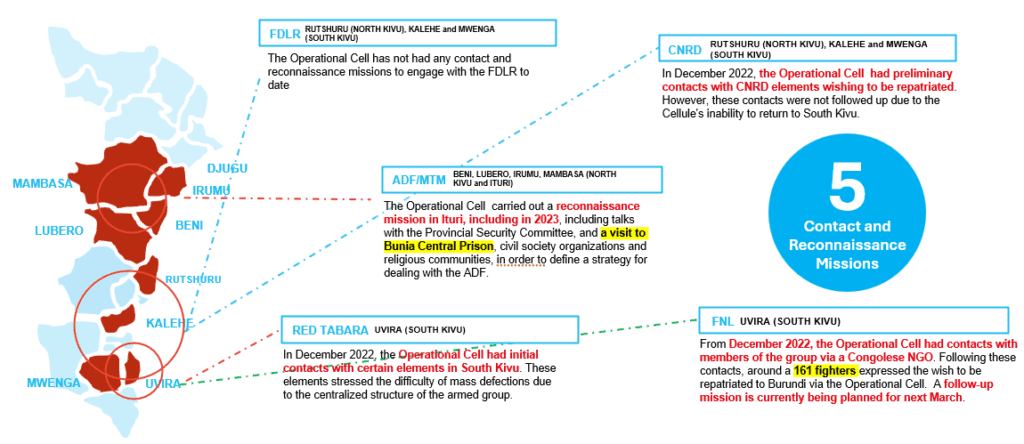
Contact and Reconnaissance Missions
Contact and Reconnaissance Missions: Contact and reconnaissance missions aim to establish initial channels of engagement with foreign armed groups and concerned States, verify intent to disengage, and assess the political, security, and operational conditions for voluntary DDRRR. These missions serve as confidence-building measures, reduce misperceptions between actors, and lay the groundwork for coordinated regional action under the CCG framework. These missions also served to establish initial contact, assess command structures and intent, test confidence-building measures, and prepare pathways for voluntary disengagement. While progress varied by group, the documents highlight concrete engagement with RED-Tabara, CNRD and FNL, though acknowledge political and operational constraints regarding FDLR and ADF engagement.
Assessment of reinsertion and reintegration capacities in receiving countries
The March 2024 assessment mission to Uganda, Burundi and Rwanda was conducted to evaluate national capacities for the reception, processing, reintegration and post-return monitoring of former combatants and associated persons disengaging from foreign armed groups operating in eastern DRC, within the framework of the Contact and Coordination Group and in line with IDDRS standards. The mission examined institutional arrangements, legal and policy frameworks, infrastructure readiness, inter-agency coordination and available reintegration services, with a particular focus on sustainability, safeguards and regional harmonization.
- In Uganda, the mission found strong political will and an established institutional anchor through the Amnesty Commission, with clear procedures for reception and initial processing. However, it identified critical gaps in physical infrastructure for reception and transit, limited reintegration financing, and insufficient specialized services for women, children and individuals with trauma or violent extremist profiles, underscoring the need for targeted capacity strengthening and predictable resources.
- In Burundi, authorities demonstrated openness to regional coordination and interest in strengthening national DDRRR mechanisms, but capacities were assessed as embryonic. Key challenges include the absence of dedicated reception facilities, limited legal clarity for returnees and constrained technical capacity were highlighted. Opportunities exist to develop a tailored national mechanism drawing on regional best practices and support from CCG partners.
- In Rwanda, the Rwanda Demobilization and Reintegration Commission was assessed as a regional benchmark, with well-established reception facilities, screening procedures, data management systems and reintegration pathways. The mission noted Rwanda’s potential role as a knowledge hub within the CCG, particularly for training, standard-setting and peer-to-peer exchanges.
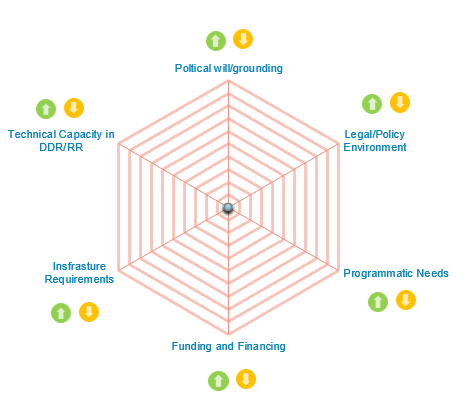
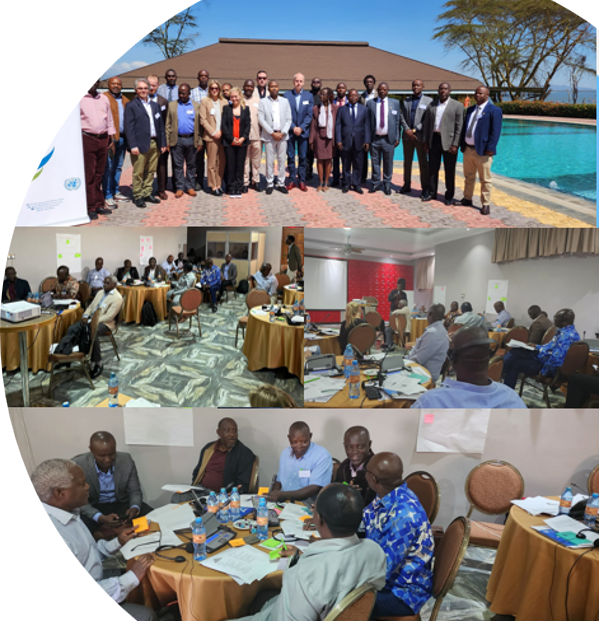
Training and capacity-building on DDR
Capacity-building within the Contact and Coordination Group (CCG) is conceived as a strategic enabler of regional DDRRR rather than a standalone activity. Its primary objective is to reduce political risk, operational fragmentation and mistrust among States by progressively aligning national DDR systems, security services and operational practices around a shared set of minimum standards. Training modules and themes include eligibility and screening criteria for foreign armed group members, with particular attention to exclusion clauses and referral pathways for individuals suspected of serious crimes. Significant emphasis is placed on weapons and ammunition management, including safe handling, marking, temporary storage and documentation in line with IDDRS.
Developing a regional Standard Operating Procedure on the disarmament, demobilization, repatriation and reinsertion of foreign combatants and associates
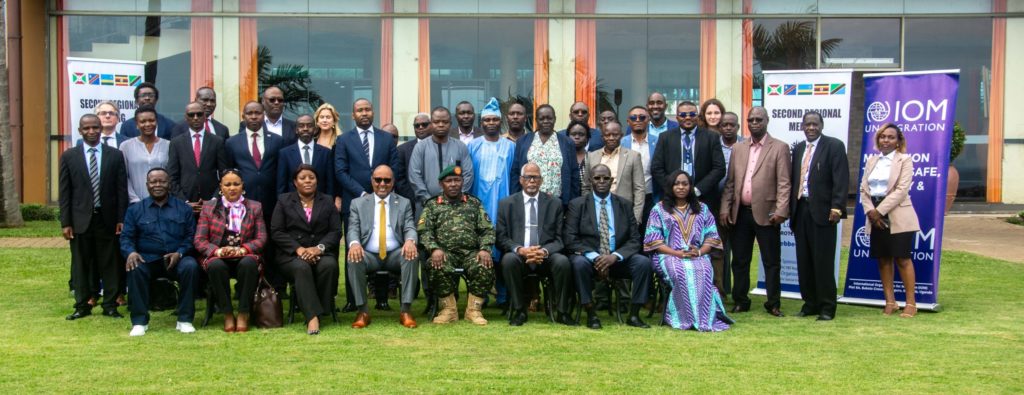
From 3 to 7 November 2025, the Regional DD/RRR Sub-Working Group of the Contact and Coordination Group convened its second statutory meeting in Entebbe to finalize the first ever harmonized regional Standard Operating Procedure (SOP) for the disarmament, demobilization/repatriation and reintegration of foreign fighters and associated persons. The meeting gathered the national DDR commissions of Burundi, the Democratic Republic of the Congo, Rwanda and Uganda, alongside representatives of their foreign affairs and security institutions, as well as the African Union, MONUSCO, IOM, the European Union, and other technical partners. OSESG-GL and the OROLSI/DDR Section facilitated the proceedings.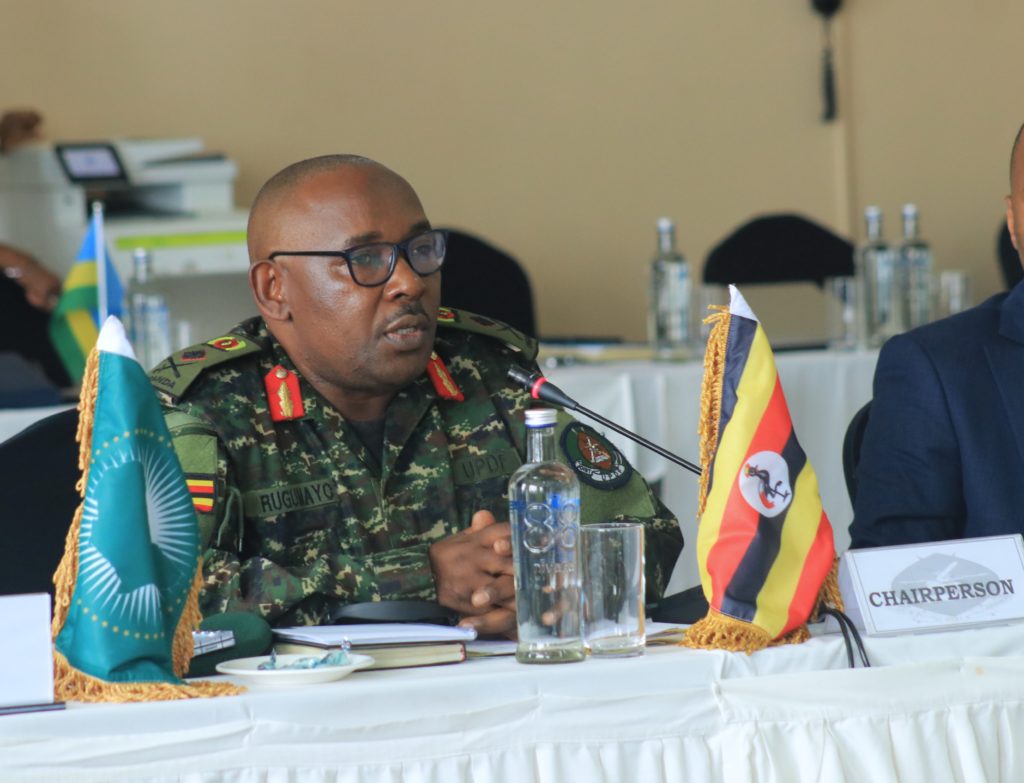
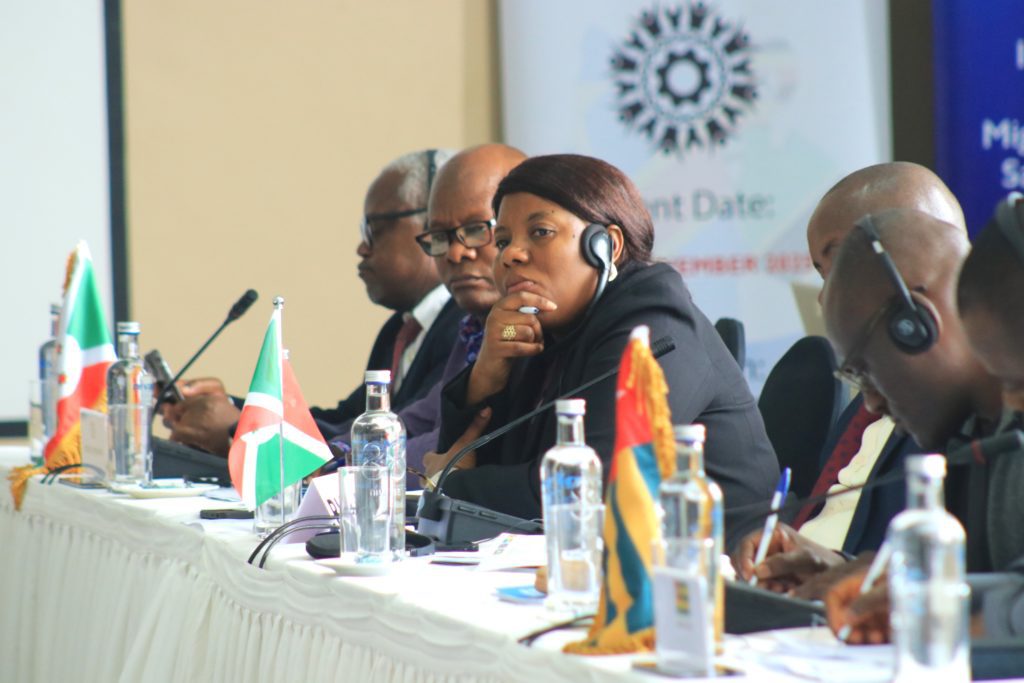 Building on diagnostic analysis and technical drafting sessions, participants reached consensus on a draft SOP that establishes regional minimum standards, governance arrangements and detailed operational procedures for the safe, voluntary and sustainable repatriation of foreign fighters. The SOP defines the caseload, sets eligibility and exclusion criteria, outlines procedures for sensitization, disarmament, verification, issuance of eligibility cards, transit and reception, and creates secure corridors and clear transfer protocols. It also introduces a regional information management system, monitoring at 6, 12 and 24 months, and humanitarian and data protection safeguards, with particular attention to women, children and vulnerable persons. The governance framework positions the CCG as the central oversight body, with quarterly virtual meetings and biannual in-person reviews, subject to conditions.
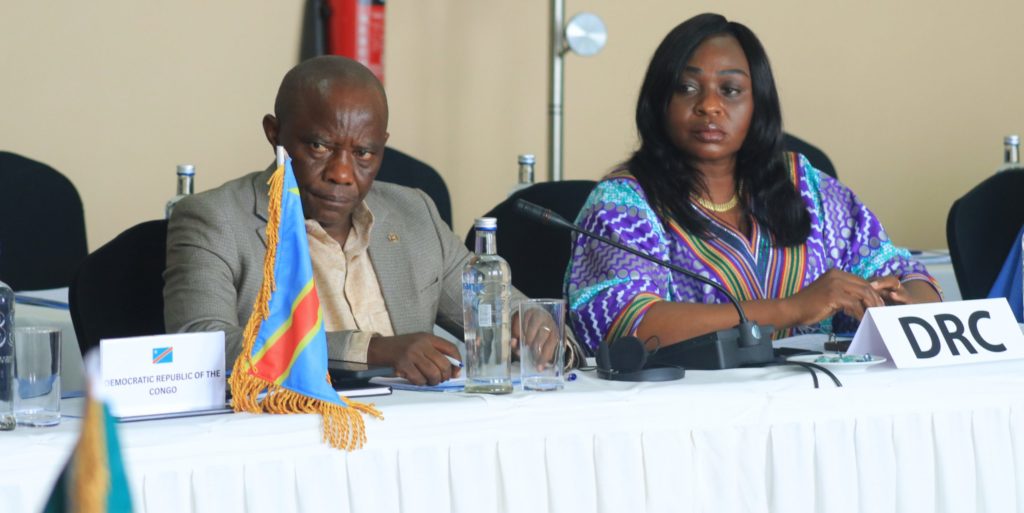
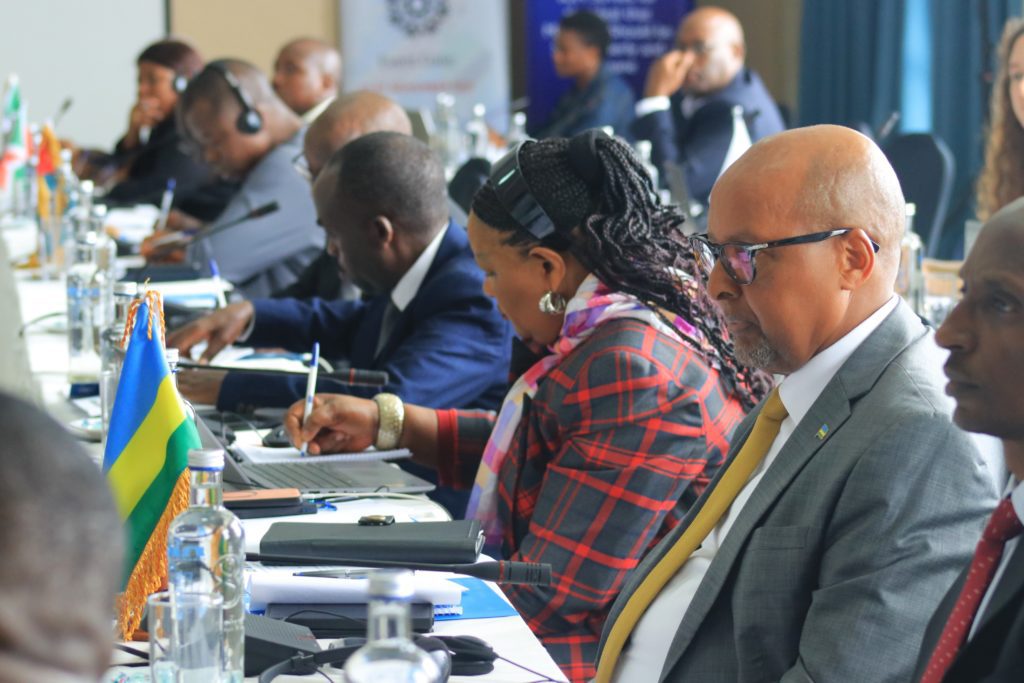
The adoption of this first ever draft SOP fills a longstanding institutional gap, strengthens coordination, information sharing, and enhances confidence among States, particularly significant at a time of heightened regional tensions. It also provides a structured foundation for future engagement on complex caseloads, including foreign elements within Congolese armed groups, and reinforces preparedness for potential outcomes of ongoing political processes. The draft SOP will now be submitted to the Peace, Security and Cooperation Framework (PSCF) Technical Support Committee for review and subsequent political endorsement.
3. Spotlight on the 2025 DDR Symposium
The 2025 DDR Symposium convened global leaders, UN Member States, think tanks, UN staff, and practitioners at UN Headquarters in New York City to advance strategic dialogue and collaboration. From 28 to 31 October, the Symposium brought together 66 participants, including 22 national or regional representatives, 17 UN entities, and seven DDR chiefs from UN missions. By bringing together key DDR actors, the event provided a unique opportunity to exchange knowledge, strengthen networks, and explore DDR’s evolving role in building lasting peace. In its 2025 edition, the Symposium reaffirmed its place as one of the most significant platforms for advancing global DDR dialogue.
This year’s Symposium was co-organized by the DDR Section of the Office of the Rule of Law and Security Institutions (OROLSI) and the International Organization for Migration (OIM), with support from the German Federal Foreign Office, and in collaboration with the Folke Bernadotte Academy (FBA) and the United Nations Development Programme (UNDP). The partnership reflects a shared commitment to working together toward strengthening DDR, community violence reduction (CVR), and other key peacebuilding tools.
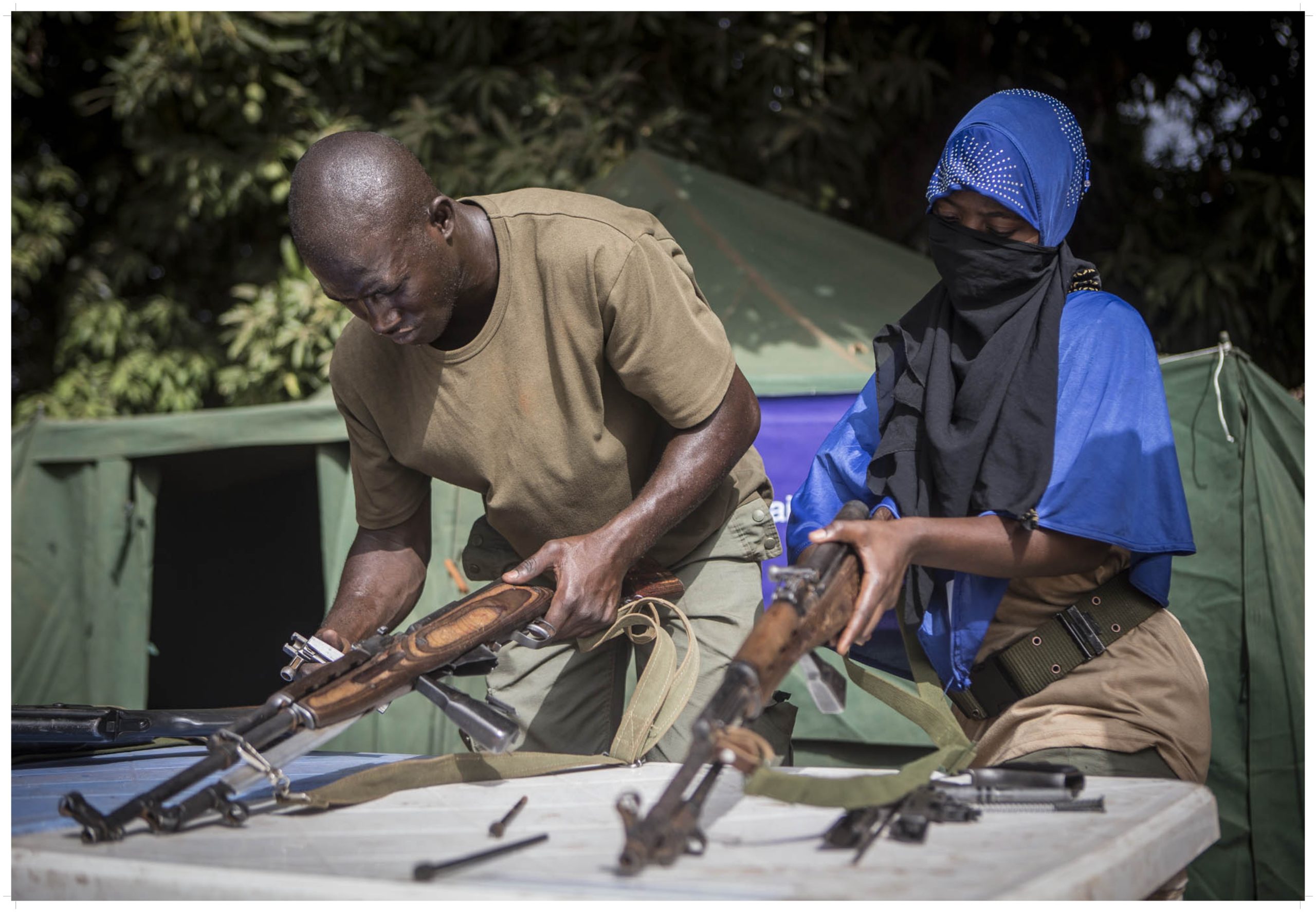
Photo Exhibition: The lived experience of DDR
As part of the Symposium’s efforts to illustrate the transformative impact of DDR initiatives and emphasize their community-centered approach, a photo exhibition was presented featuring 15 powerful images collected from peacekeeping missions, as well as IOM and UNDP field offices. The exhibition served as a vivid reminder that behind DDR programs are complex human stories of resilience, reintegration, and transformation.
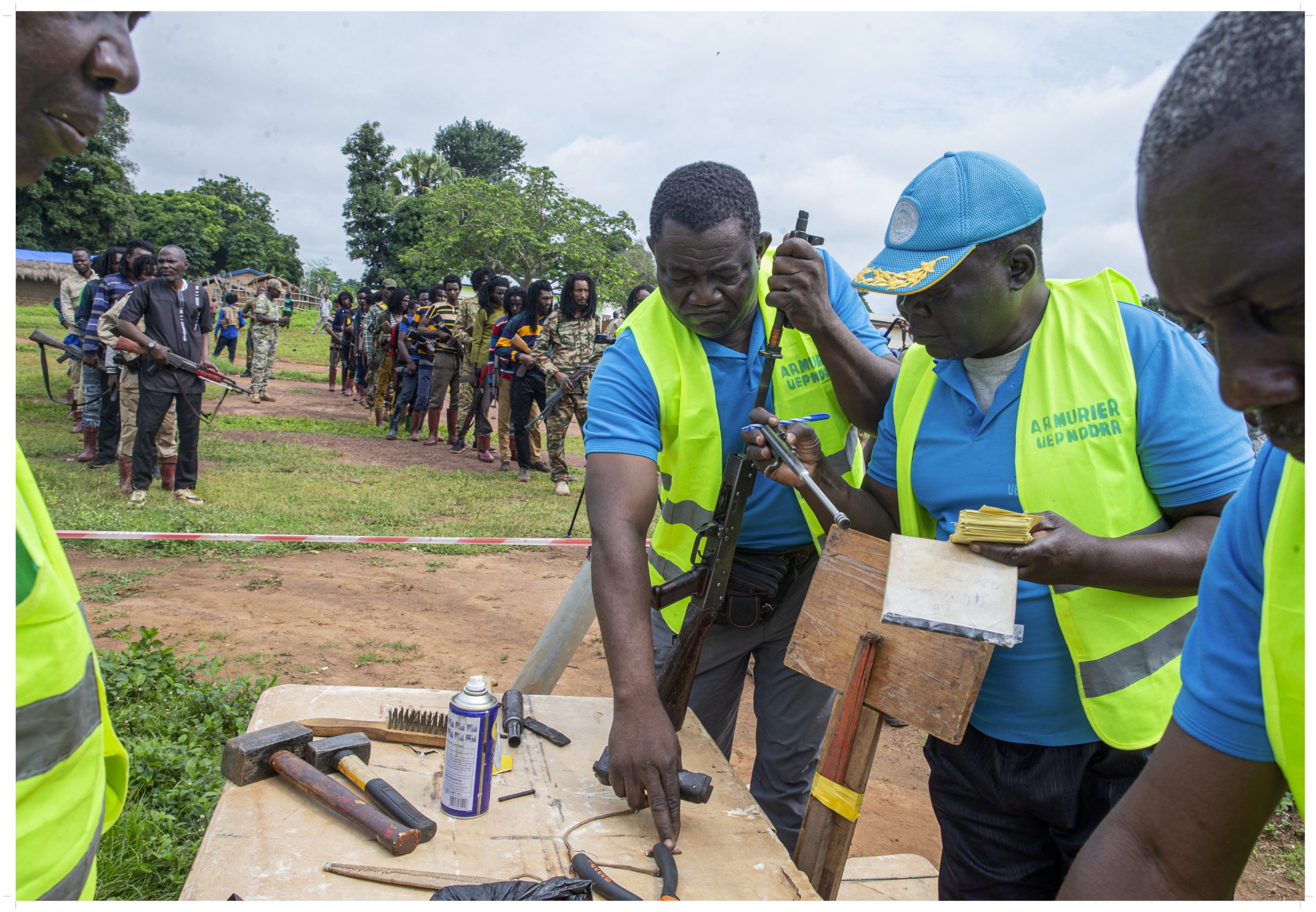
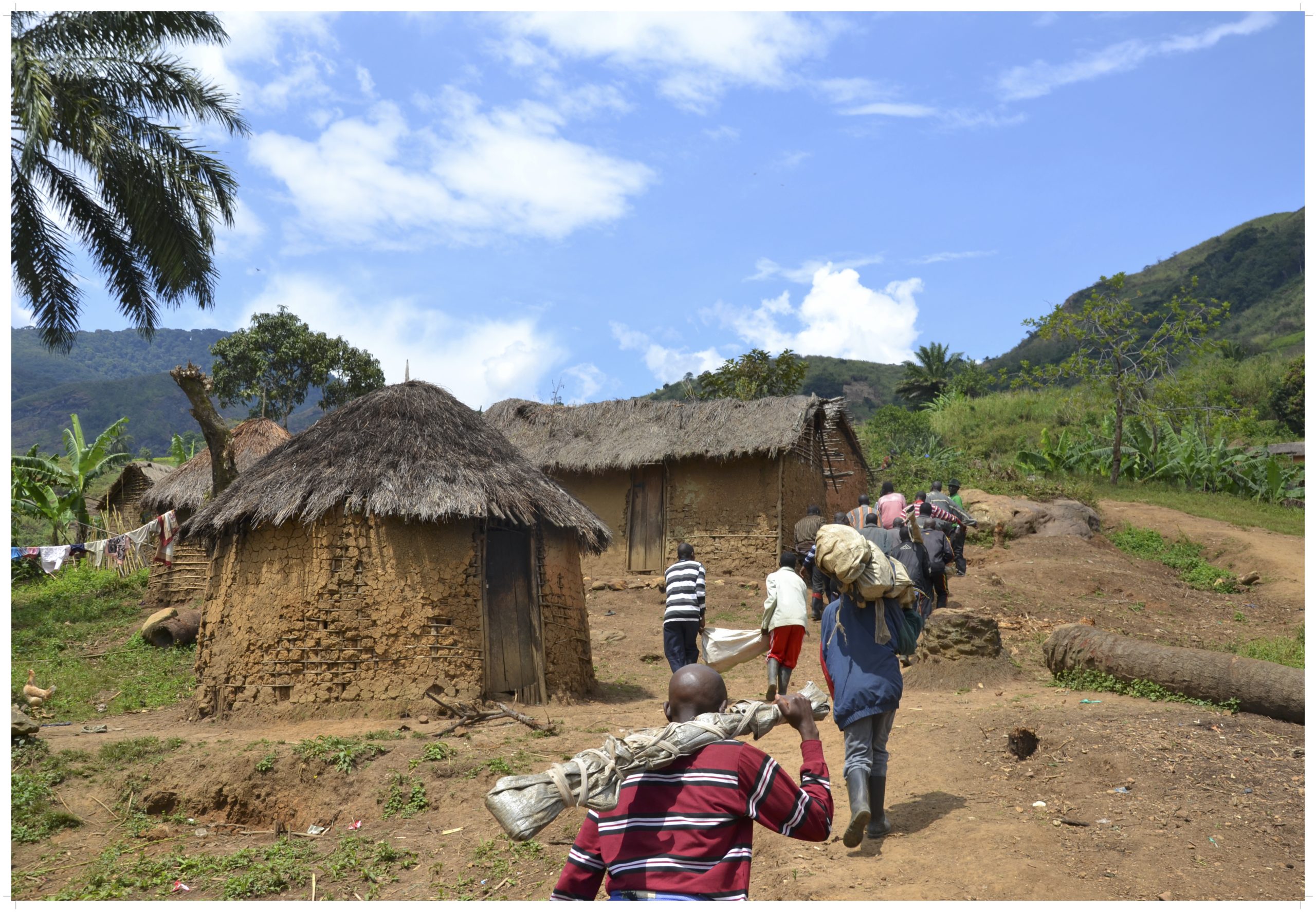
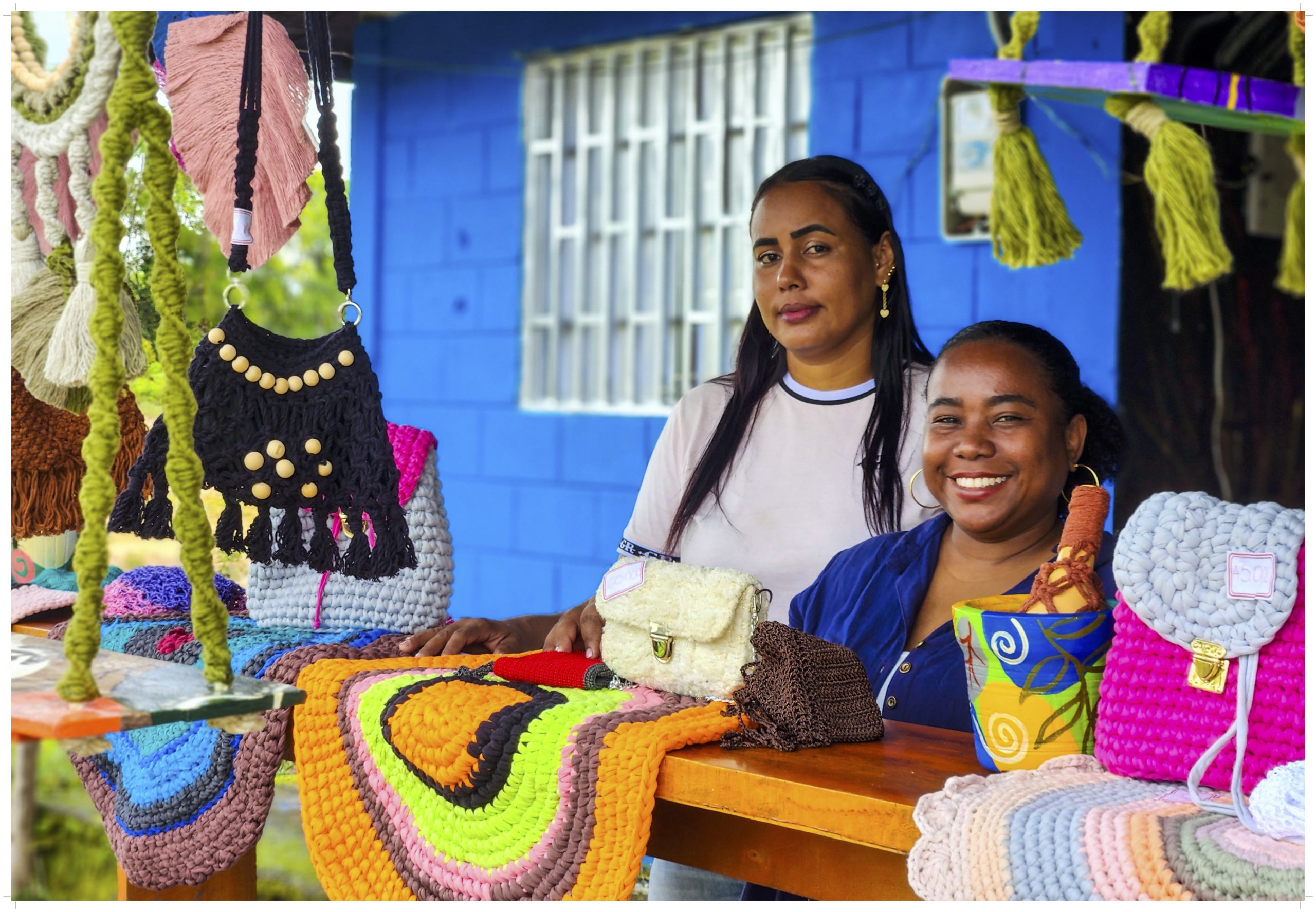
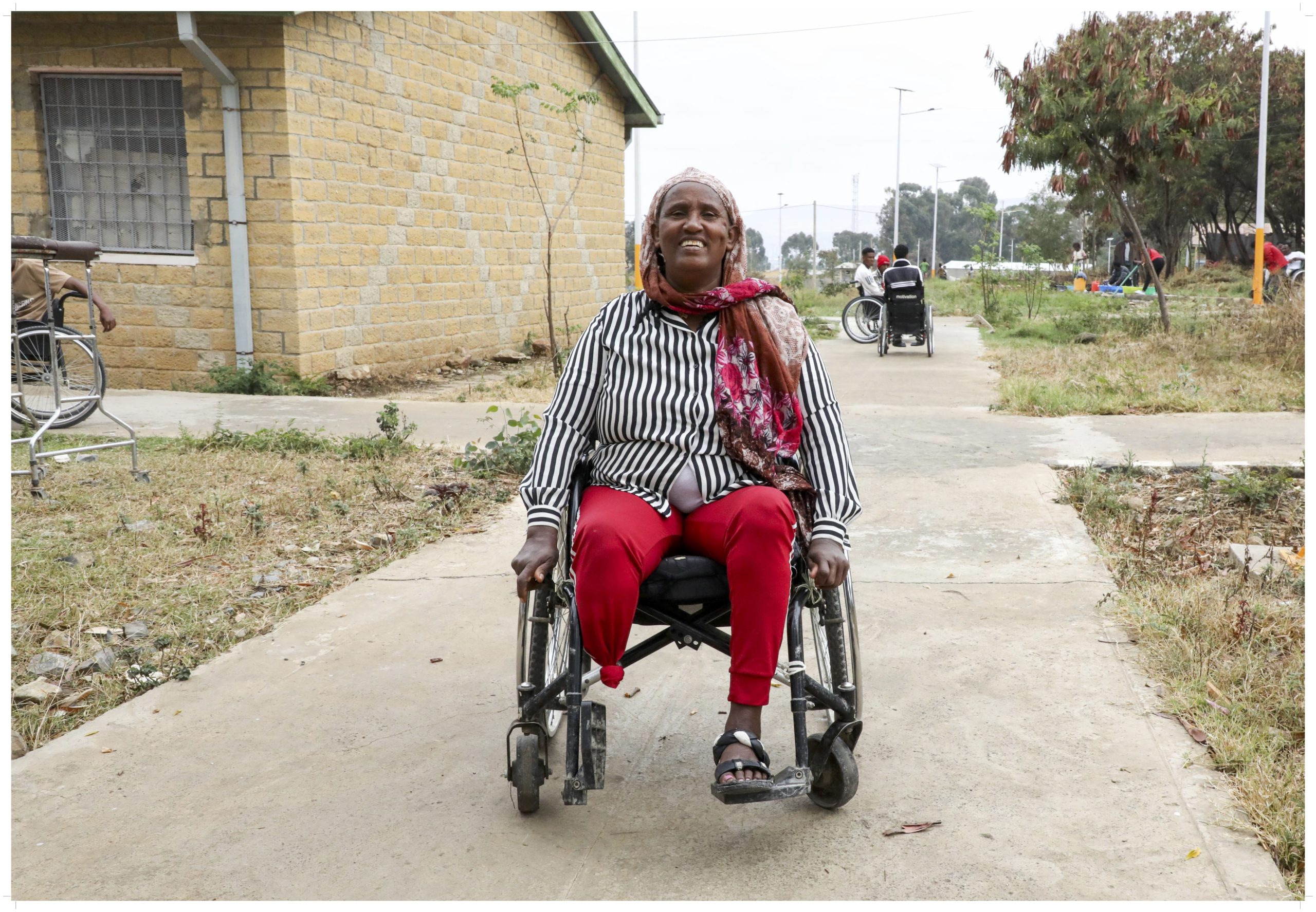
High-Level Event: DDR as a cornerstone for peacebuilding
The high-level event opening on 28 October underscored the centrality of DDR, reaffirmed its importance for peacebuilding, and emphasized that it is a shared responsibility across the humanitarian, development, and peace sectors. A total of 120 participants gathered to hear the United Nations Under-Secretary-General for Peace Operations, Jean-Pierre Lacroix; the Deputy Director-General of IOM, Ugochi Daniels; and the Deputy Permanent Representative of Germany, Thomas Peter Zahneisen. National authorities enriched the high-level event with local perspectives and practical insights.
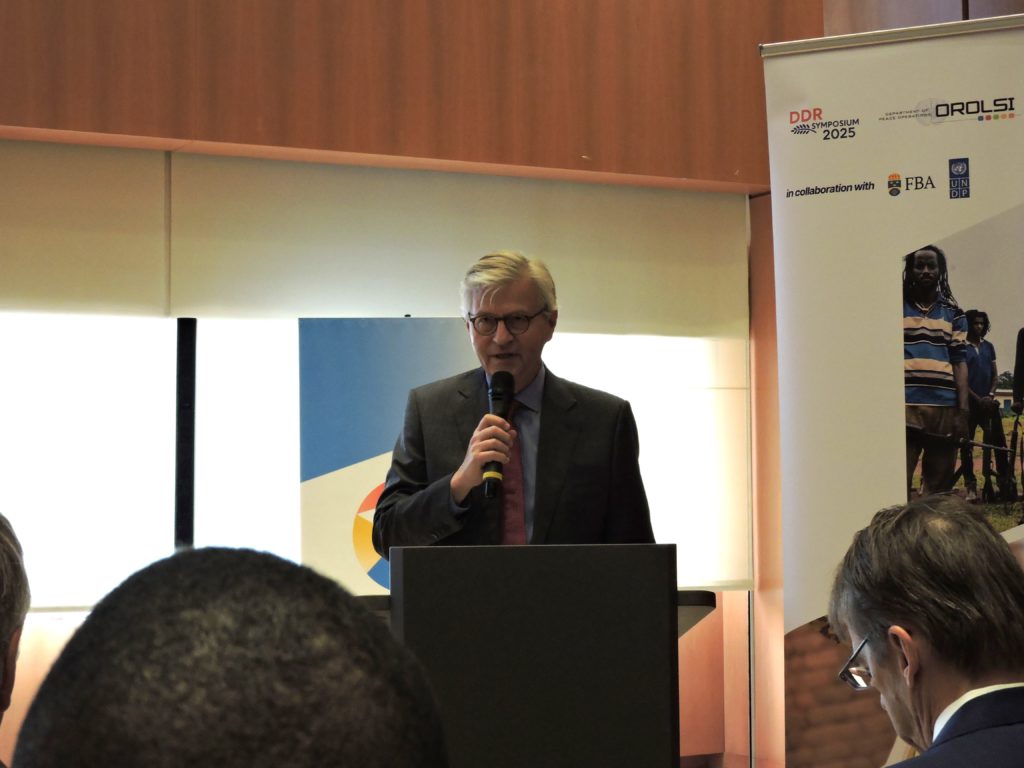
Speakers emphasized the critical role of DDR in preventing conflict, addressing pressing global challenges, including irregular migration and terrorism, and promoting peace and security, particularly during peace processes and the implementation of political agreements. The following key elements for successful DDR processes and sustainable peace were highlighted:
- Building on lessons learned while adapting to evolving contexts
- Encouraging innovative projects and approaches
- Promoting national ownership
- Ensuring meaningful community and women’s participation in decision-making
- Adopting emerging DDR models to support exits from UN-designated terrorist organizations and armed groups.
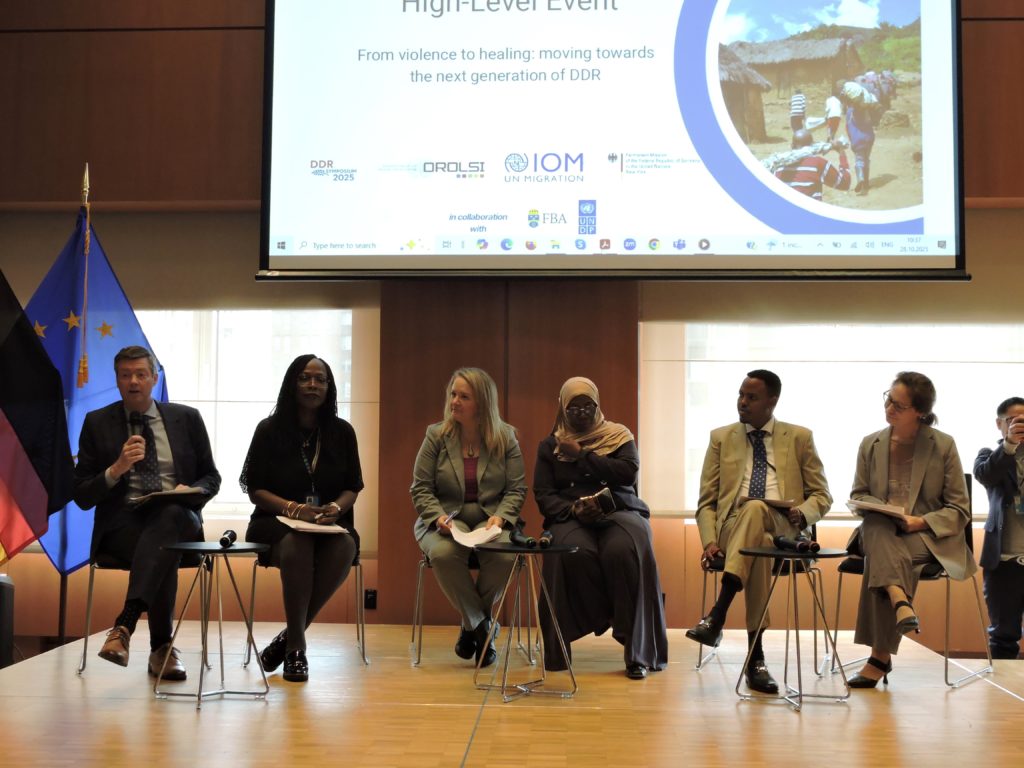
The first panel reflected on the revitalization of DDR. Panelists emphasized the importance of sustained political engagement, predictable funding schemes, and increased cooperation among the UN system, Member States, and regional organizations. National DDR authorities played a central role in shaping recommendations to revitalize DDR initiatives. Ambassador Mairo Mussa Abbas, Director of the National Counter-Terrorism Centre (ONSA) of Nigeria, and Ali Yasin Gurbe, Director of the Tubsan National Center for Preventing and Countering Violent Extremism in Somalia, underscored the importance of coordinated regional mechanisms, as well as national ownership and the adaptation of DDR processes to local needs.
The second panel focused on community-driven DDR approaches, reaffirming that community-crafted and locally owned initiatives can foster sustainable DDR, mitigate violence, and strengthen social cohesion. Cameroon’s National DDR Commissioner, Mr. Francis Fai Yengo, highlighted local challenges in implementing DDR initiatives and underscored how regional cooperation through the Lake Chad Basin Commission (LCBC) and the Governors’ Forum could help address implementation challenges.
Strengthening dialogue, exchange of experiences, and partnership
From the afternoon of 28 October through 31 October, the workshop section of the Symposium featured seven sessions and seven side-events covering the following topics: (i) Bridging National Ownership and Regional Coordination in the Lake Chad Basin; (ii) Mental Health and Psychosocial Support (MHPSS); (iii) Armed Groups Typologies; (iv) Somalia: Lessons Learned on DDR Implementation; (v) Action Talk: The Role of Women-Led Organizations in DDR and Peacebuilding; (vi) Measuring What Matters: Understanding and Assessing impact in DDR Programming; and (vii) the launch of the podcast “The Sahel Untold: Stories of Resilience.”
During the panel on DDR in the Context of UN 80, participants emphasized that sustainable financing, strengthened national and regional strategies, and reinforced institutional support are essential for durable outcomes. The active participation of national authorities was key to capturing field-level needs and perspectives. Egypt emphasized the importance of long-term, predictable funding, adaptable approaches, achievable peacekeeping mandates, and strong political will grounded in national ownership.
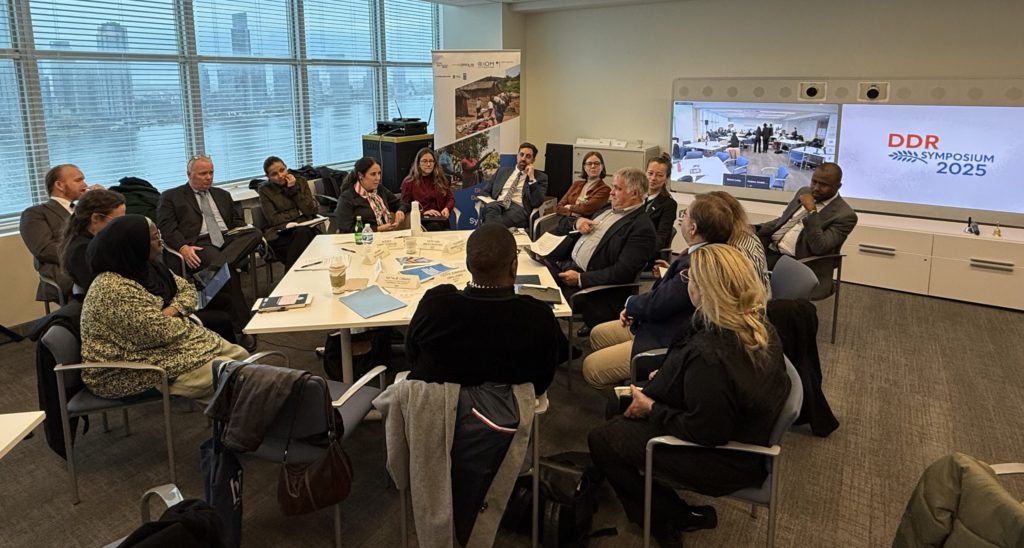
The world café on Working Together for Sustainable DDR explored practical strategies to strengthen collaboration for more coherent and sustainable DDR efforts. Participants emphasized the need to enhance cooperation at four key levels: (i) within the UN system, (ii) among donors and international financial institutions (IFIs), (iii) within national governments, and (iv) across countries in a region. Ensuring coordinated initiatives, regularly assessing mandates, and avoiding rivalry, competition, or duplication of assistance were highlighted as crucial aspects for sustainable DDR.
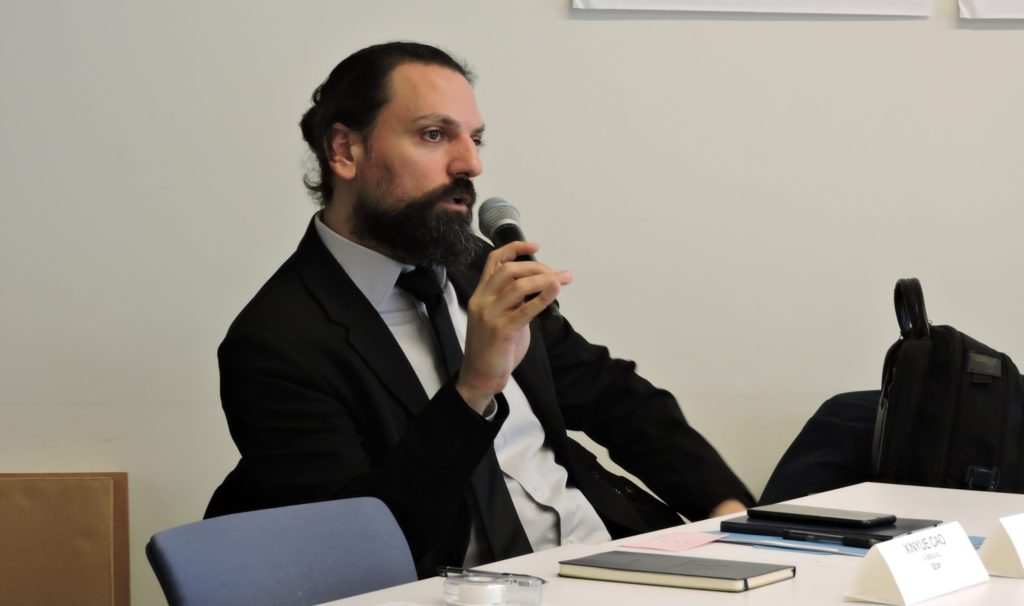
To foster deeper reflection and practical learning, the 2025 edition introduced, for the first time, a comprehensive scenario-based exercise centered on Kalunda, a fictitious country implementing a DDR initiative in a complex peace and security environment. The immersive exercise included maps, role-based activities, a negotiation simulation, and a detailed historical and political context, centering around the topics of Reintegration, Transitional Justice and Armed Groups Designated as Terrorist Organizations. Participants planned, implemented, and assessed an initiative to reintegrate over 7,000 former combatants and associated groups amid limited state capacity, fragile trust, and uneven economic recovery.

Key outcomes: Conclusions and recommendations for better DDR initiatives in an evolving context
As a result of the extensive sessions and discussions, the 2025 Symposium collected the following recommendations addressed to the UN leadership and donors, to keep promoting and improving DDR initiatives worldwide:
- Position DDR strategically within prevention and resilience agendas as a long-term investment in sustaining peace.
- Ensure predictable and flexible financing through pooled funds and rapid response mechanisms that strike a balance between fiduciary rigor and operational agility.
- Strengthen national ownership and community engagement by co-creating frameworks with governments and communities and conducting systematic needs assessments from the outset.
- Prioritize integrated reintegration packages that combine livelihoods, psychosocial support, and justice mechanisms through gender-responsive and inclusive approaches.
- Invest in data and monitoring systems to enable real-time, evidence-based decision-making and accountability.
- Embed Weapons and Ammunition Management (WAM) early in DDR planning to prevent diversion and strengthen oversight and safety.
- Promote regional cooperation and peer learning to address transnational threats and harmonize standards across contexts.
- Address structural drivers of violence, including illicit resource flows and arms trafficking, as integral components of DDR strategies.
The Symposium’s relevance and what comes for the 2026 edition
The 2025 Symposium reaffirmed DDR’s relevance in today’s complex peace and security landscape and set the stage for continued collaboration and innovation. The 2026 edition will build on these achievements, driving innovation and collaboration to meet evolving peace and security challenges.
4. Spotlight on the Political Transformation Primer Series
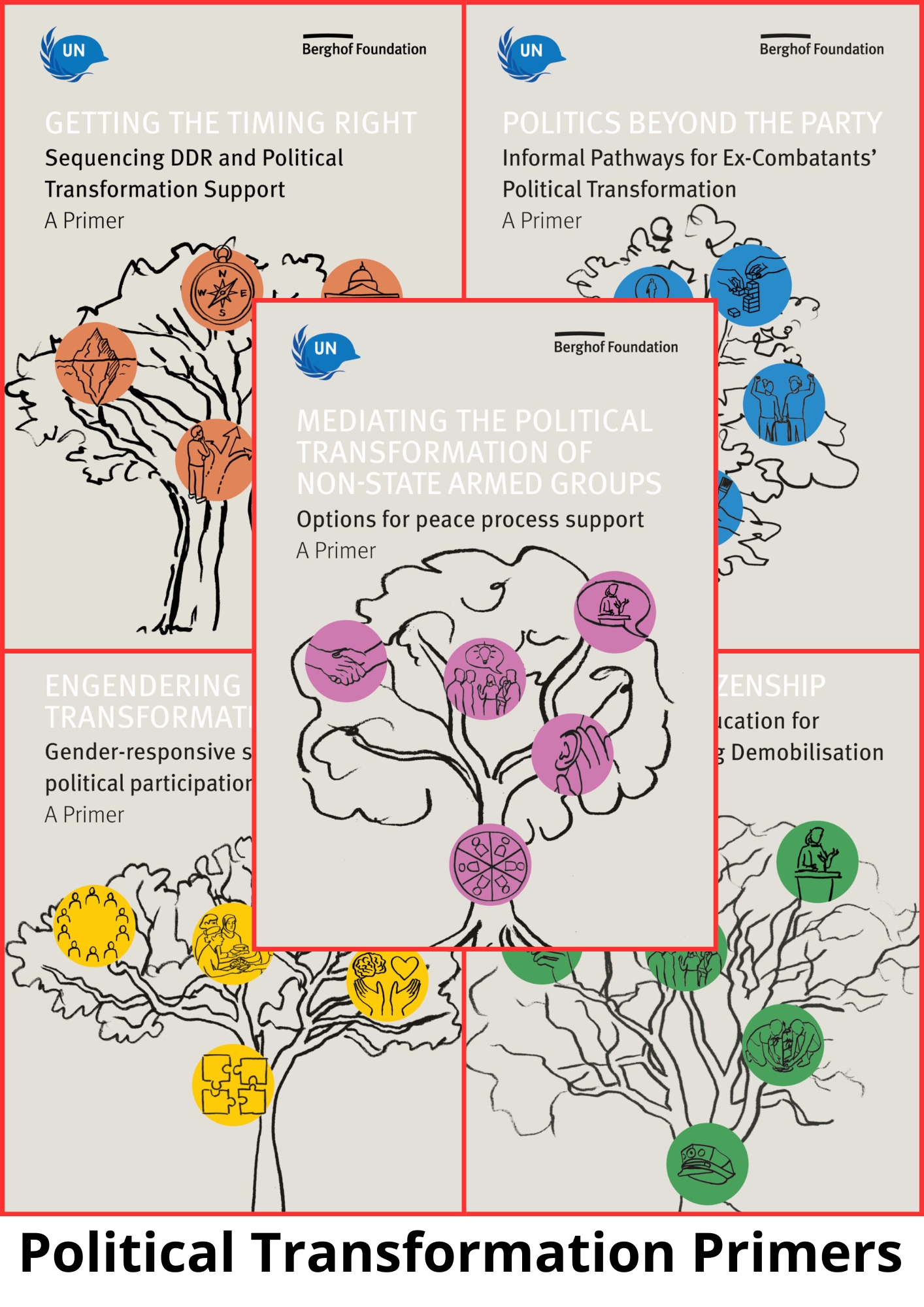
From 9 to 11 December 2025, the DDR Section, in collaboration with the Berghof Foundation, hosted three events to mark the launch of the Political Transformation Primer Series. The primer series is part of DDRS’s ongoing project with the Berghof Foundation on the political transformation of non-state armed groups, aiming at shedding additional light on this often-understated area of political DDR.
Specifically, the initial five primers in the series offer concise and practice-oriented guidance on (i) the civic and political education of ex-combatants; (ii) the mediation of the political transformation of non-state armed groups; (iii) gender-responsive support on the political participation of ex-combatants; (iv) informal pathways for ex-combatants’ political transformation; and (v) the sequencing of DDR and political transformation.
The first event, an internal workshop, invited participants from across the UN system to collaborate in identifying risks and opportunities pertaining to the political nature of DDR. The second event, a launch of the primer series, featured panelists from the DDR Section and the Berghof Foundation, who presented each primer in the series and engaged in a conversation with participants about the political relevance of DDR in ongoing conflict contexts. The Berghof Foundation also shared interviews with ex-combatants from Aceh and Colombia.
The third event, a meeting convened by the Co-Chairs of the Group of Friends of DDR, brought member states together to discuss the broad topic of the political nature of DDR. The Berghof Foundation presented reflections from the primer series. Participants underscored DDR’s influence on political transformation processes, from conflict mediation efforts to civic education, and stressed the importance of collaboration and applying lessons learned.
5. Operational Updates
The boundaries and names shown and the designations used on this map do not imply official endorsement or acceptance by the United Nations. Final boundary between the Republic of Sudan and the Republic of South Sudan has not yet been determined. * Non-Self-Governing Territory ** Dotted line represents approximately the Line of Control in Jammu and Kashmir agreed upon by India and Pakistan. The final status of Jammu and Kashmir has not yet been agreed upon by the parties. *** A dispute exists between the Governments of Argentina and the United Kingdom of Great Britain and Northern Ireland concerning sovereignty over the Falkland Islands (Malvinas)
6. Capacity Development Update
DDR Basic Course
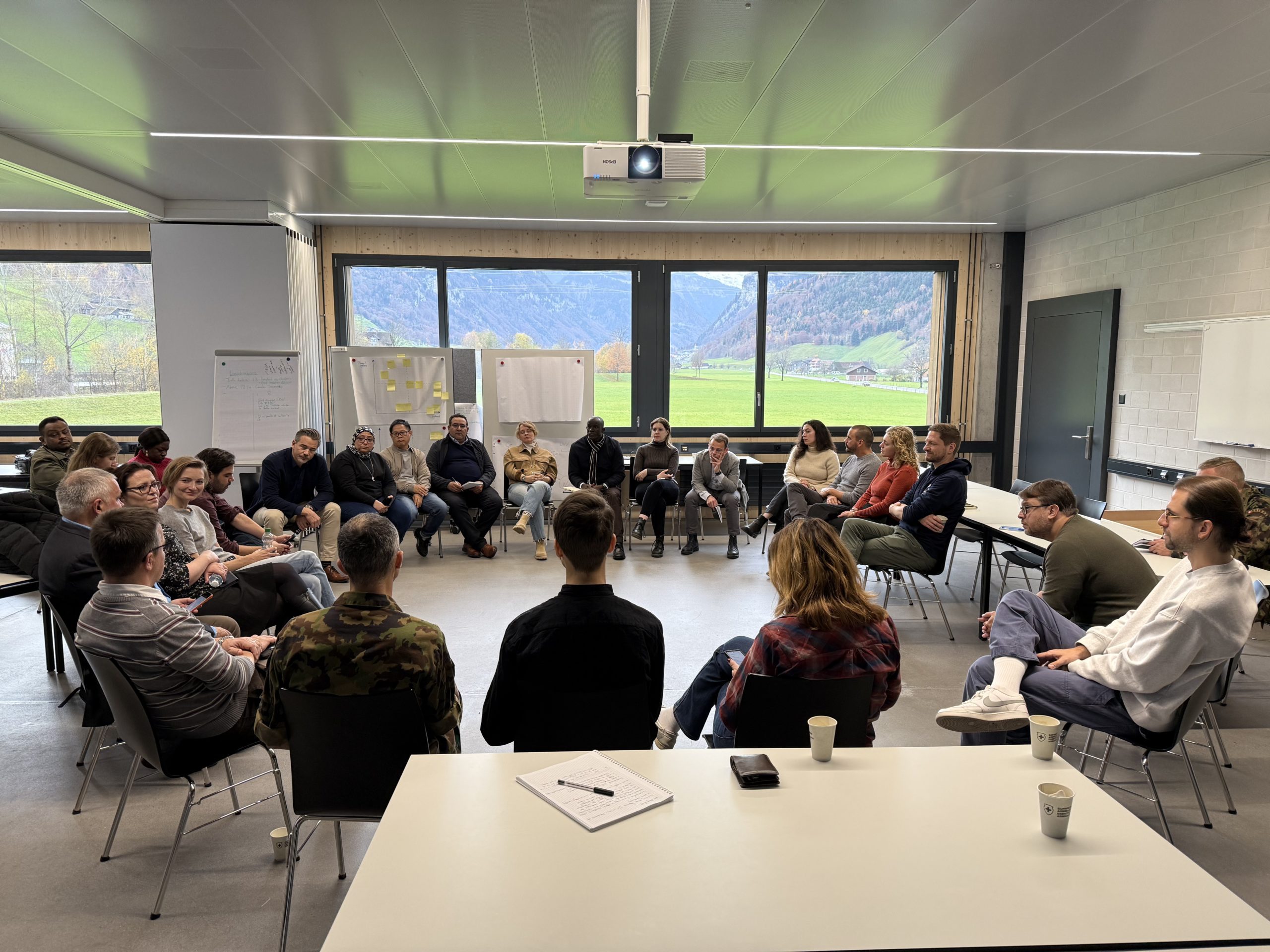
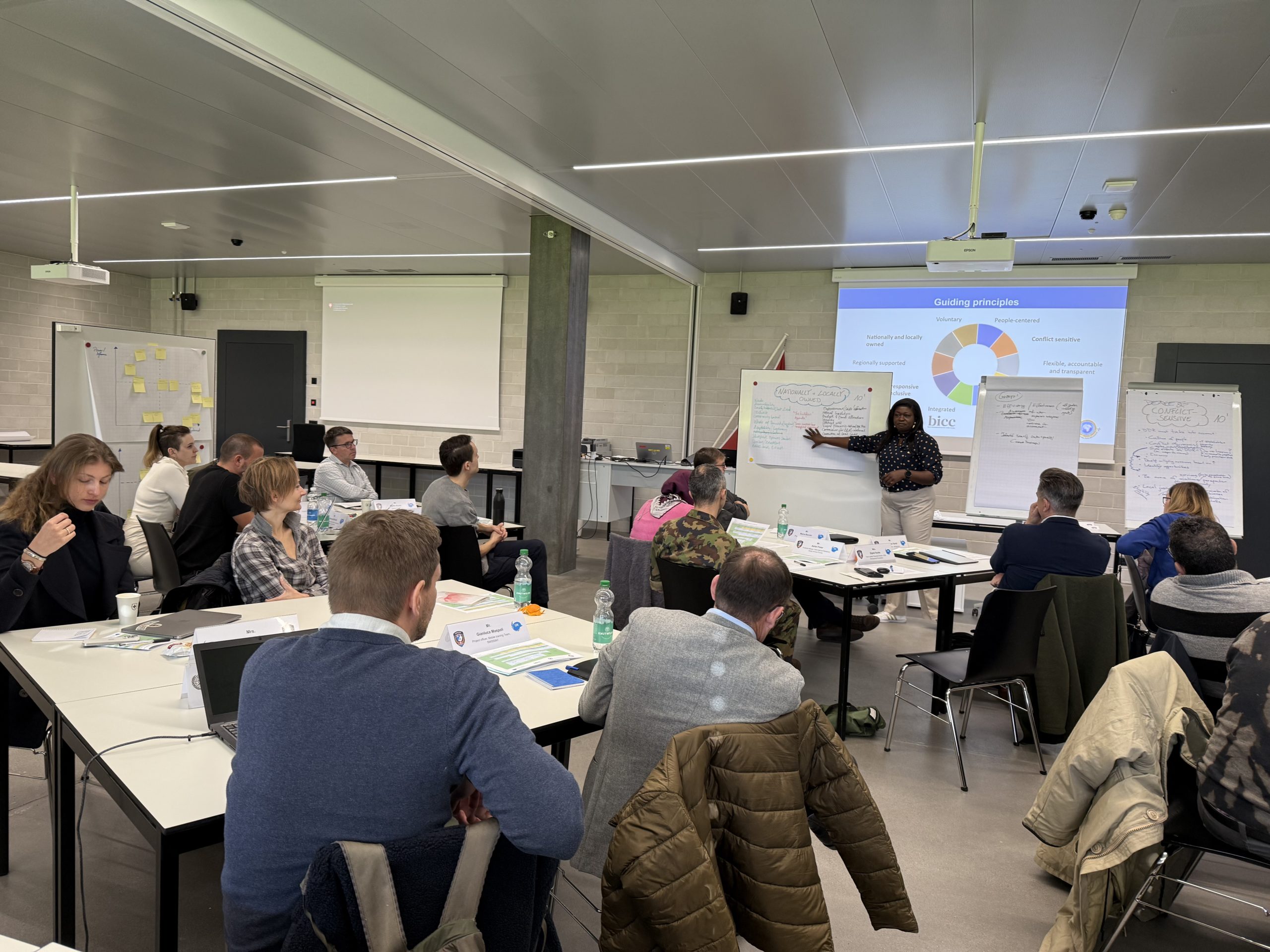
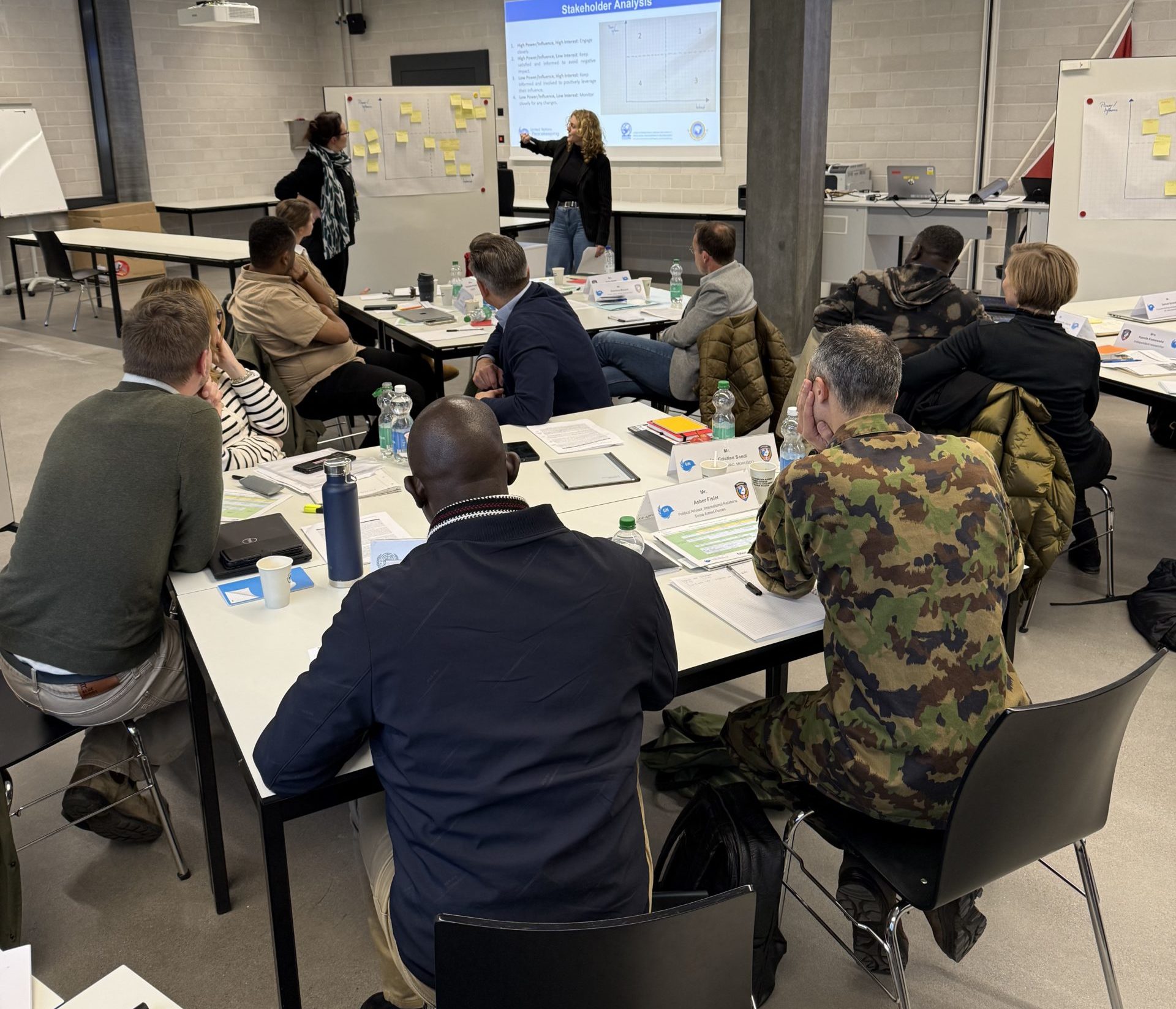
From 10 to 14 November 2025, the DDR Section, in partnership with members of the Integrated DDR Training Group, namely the Bonn International Centre for Conflict Studies (BICC), the Cairo International Center for Conflict Resolution, Peacekeeping and Peacebuilding (CCCPA), and the International Peace Support Training Centre (IPSTC), piloted a DDR Basic Course at SWISSINT in Stans, Switzerland. The course brought together 23 participants (eight women and 15 men) from a diverse range of UN entities, Member States, regional organizations, academia, civil society, and peace operations, and aimed to strengthen participants’ foundational conceptual, contextual, and operational understanding of DDR. Delivered through a mix of expert inputs, practical tools, and applied discussions, the curriculum covered the evolution, principles, and legal and political frameworks of DDR; the core pillars of disarmament, demobilization, and reintegration; regional and cross-border dynamics; and key cross-cutting issues, concluding with an interactive press-conference-style exercise to consolidate learning outcomes.
DDR Planning Course
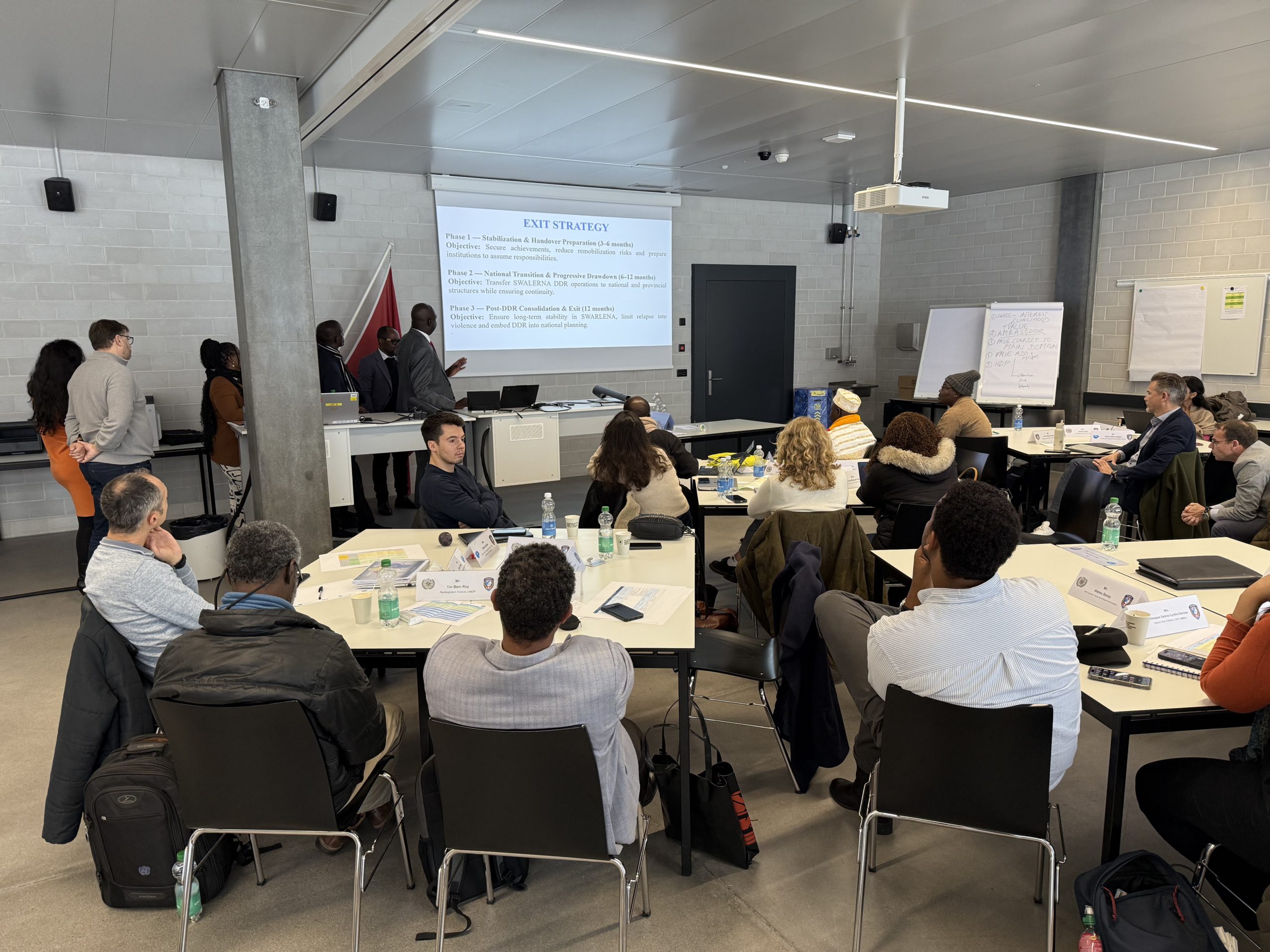
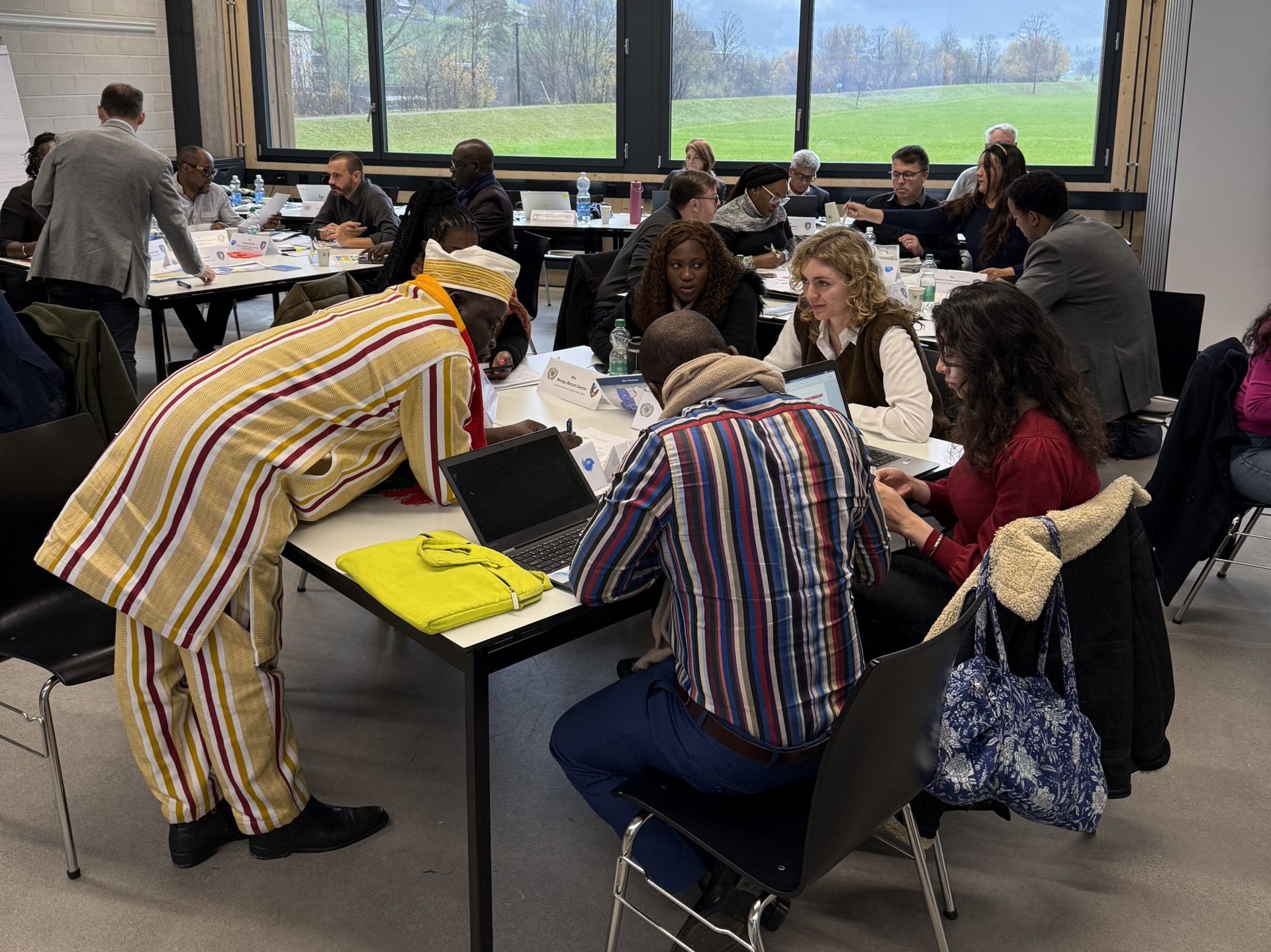
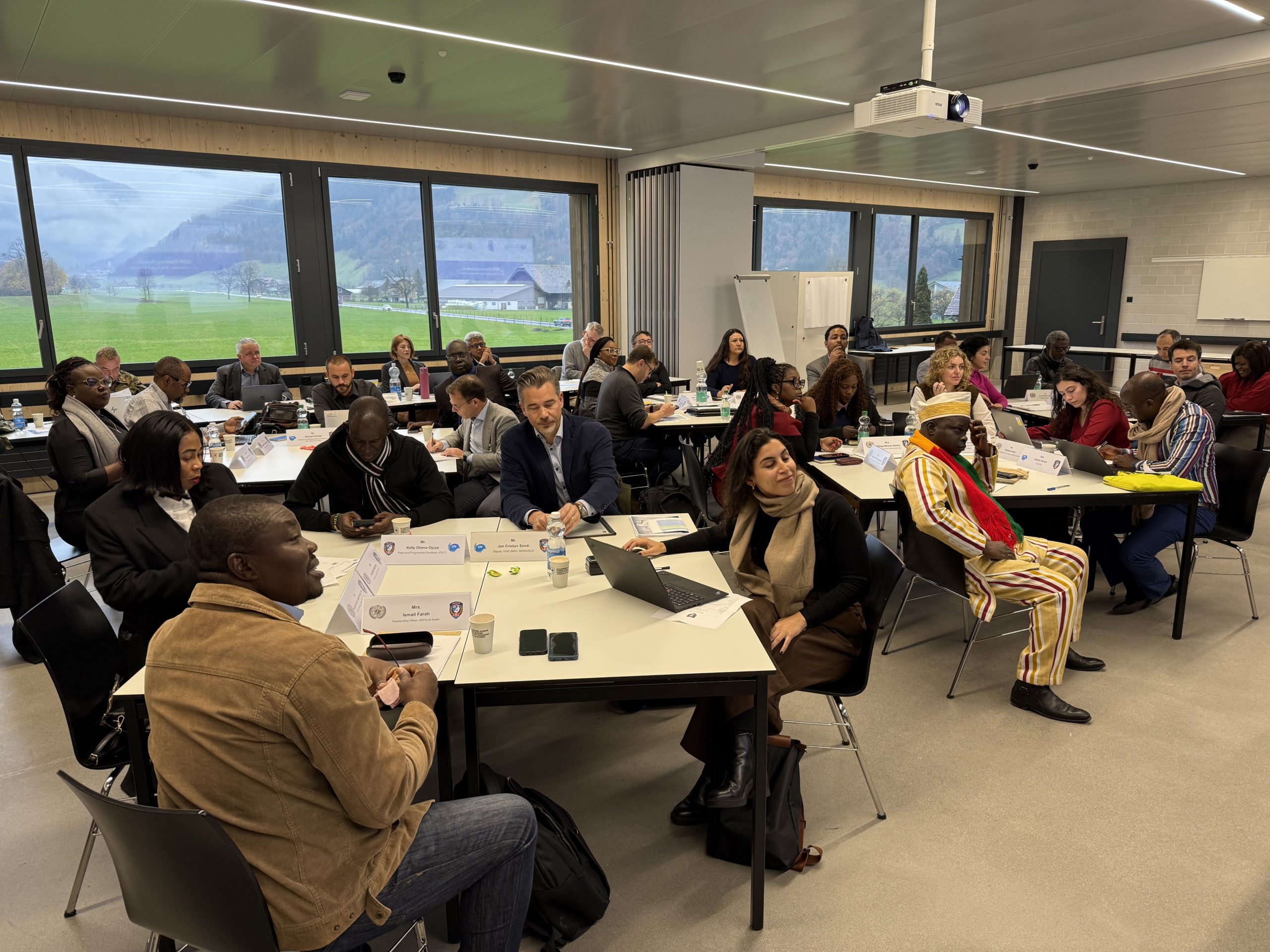
On 15 November 2025, six years after its last iteration in Sweden, the DDR Section, together with UNDP and with support from the Folke Bernadotte Academy (FBA) and the International Peace Support Training Centre (IPSTC), relaunched the DDR Planning Course at SWISSINT in Stans, Switzerland. The course brought together 27 participants (12 women and 15 men), including nine alumni of the preceding DDR Basic Course, representing a wide range of UN entities, national authorities, regional organizations, NGOs, and training institutions. Designed for practitioners with prior DDR experience, the course combined plenary sessions and a week-long simulation exercise based on the fictitious “SWARLENA” scenario, through which participants developed integrated, gender-responsive DDR plans. The curriculum addressed strategic and operational planning grounded in the revised IDDRS, covering core DDR pillars, DDR–SSR linkages, transitional WAM, transitional justice, public information, resource mobilization, M&E, risk management, and cross-cutting issues, and concluded with syndicate presentations of final DDR plans in plenary.
Course on Effective WAM in a changing DDR Context
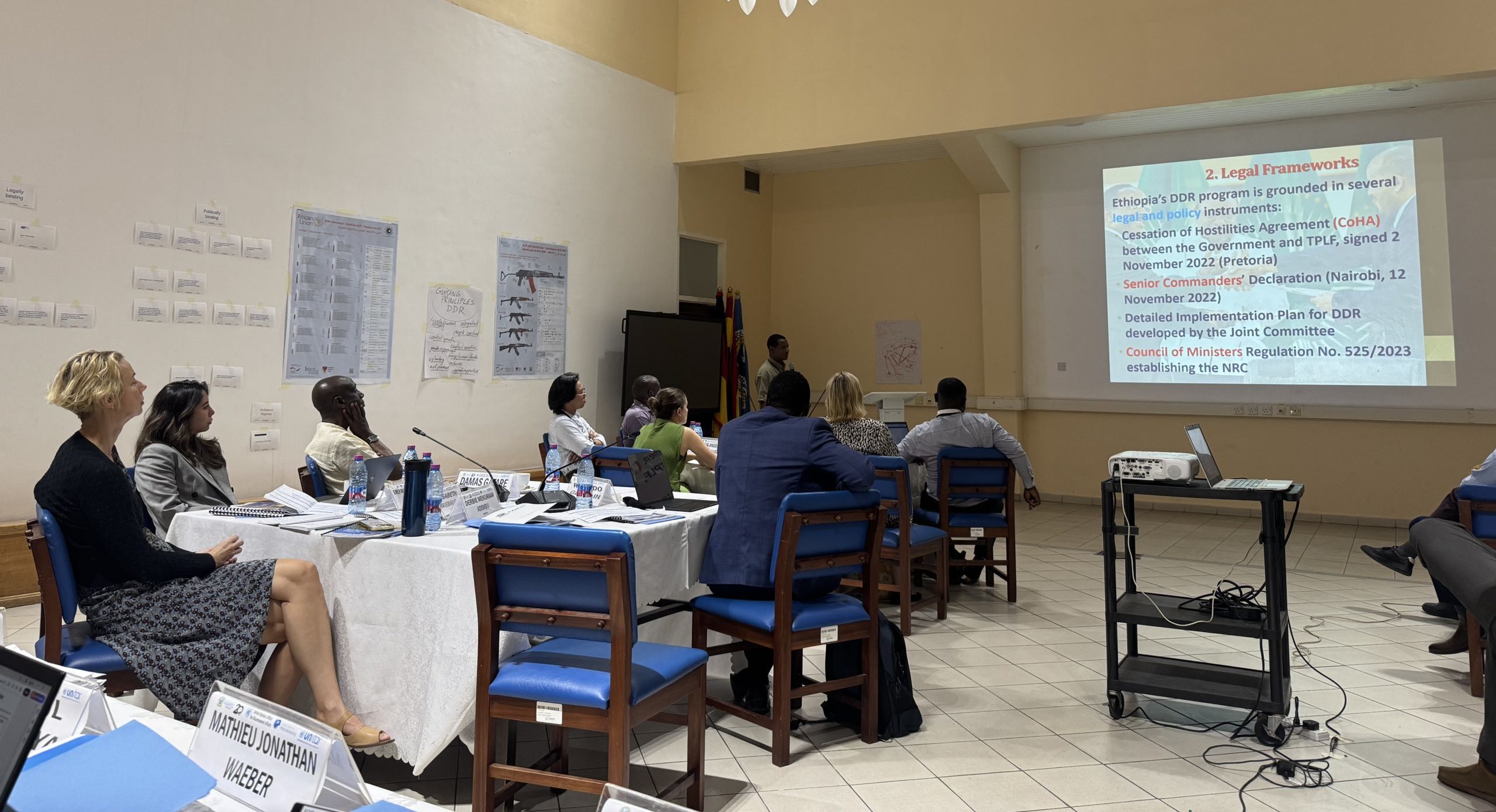
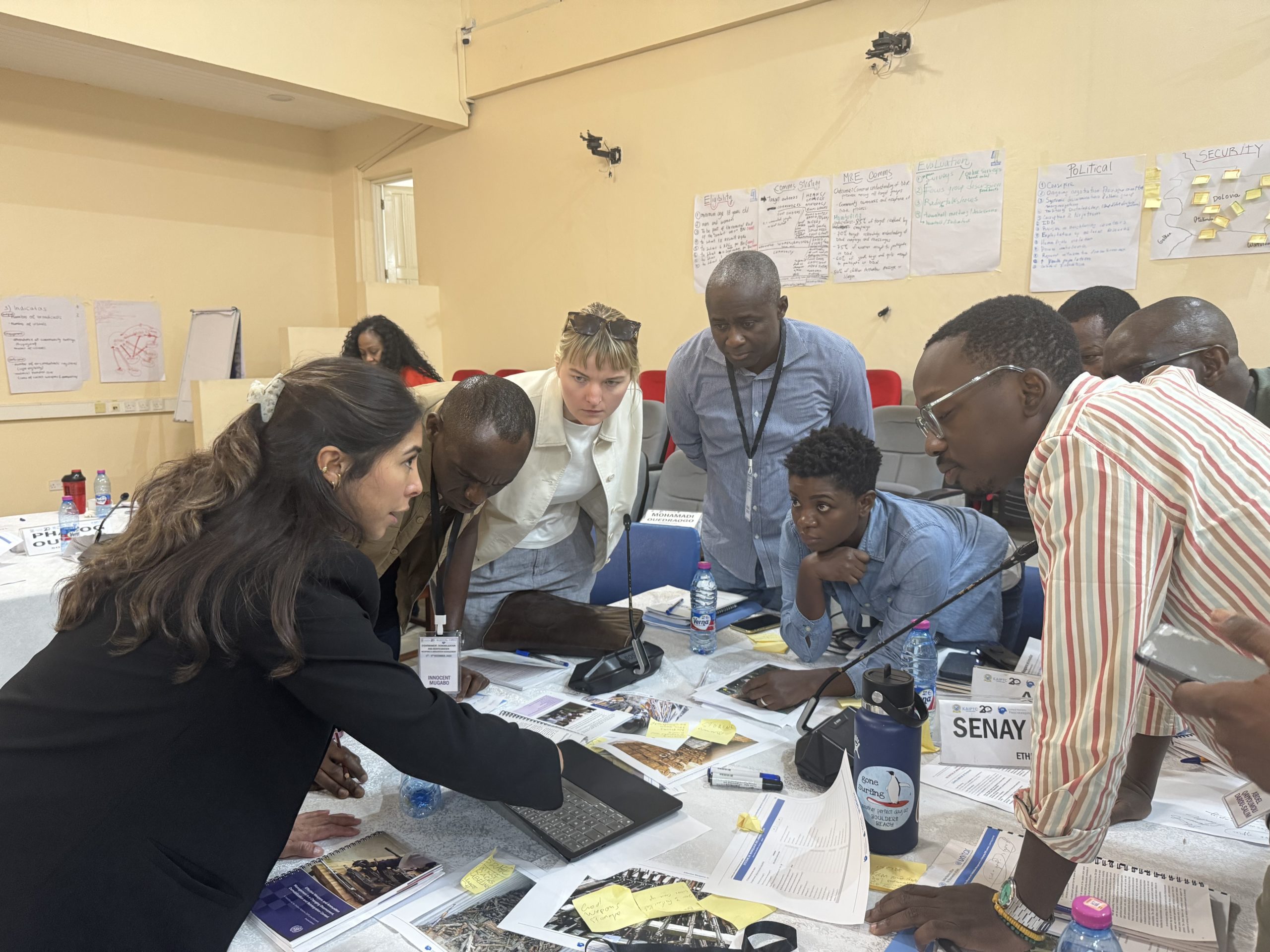
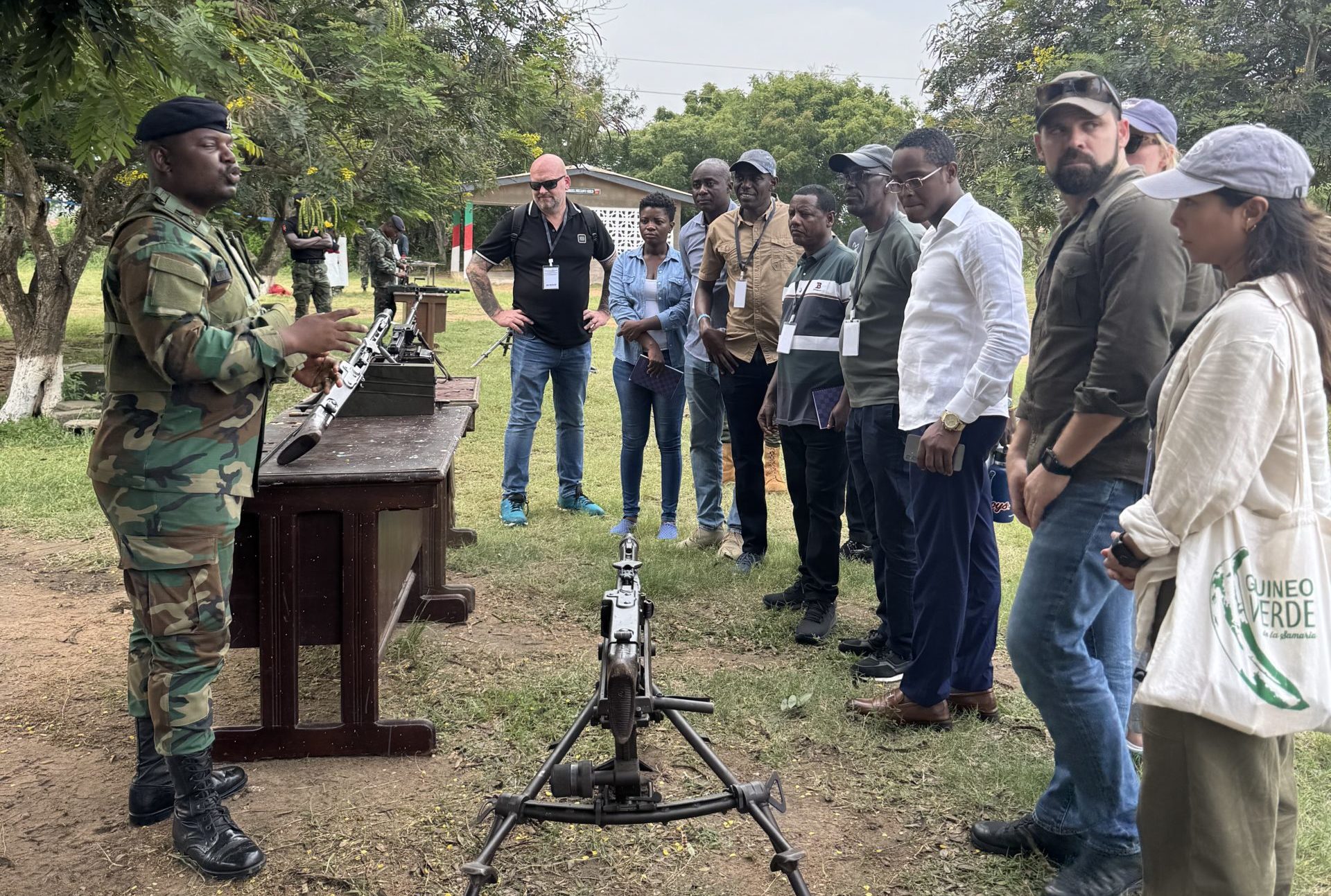
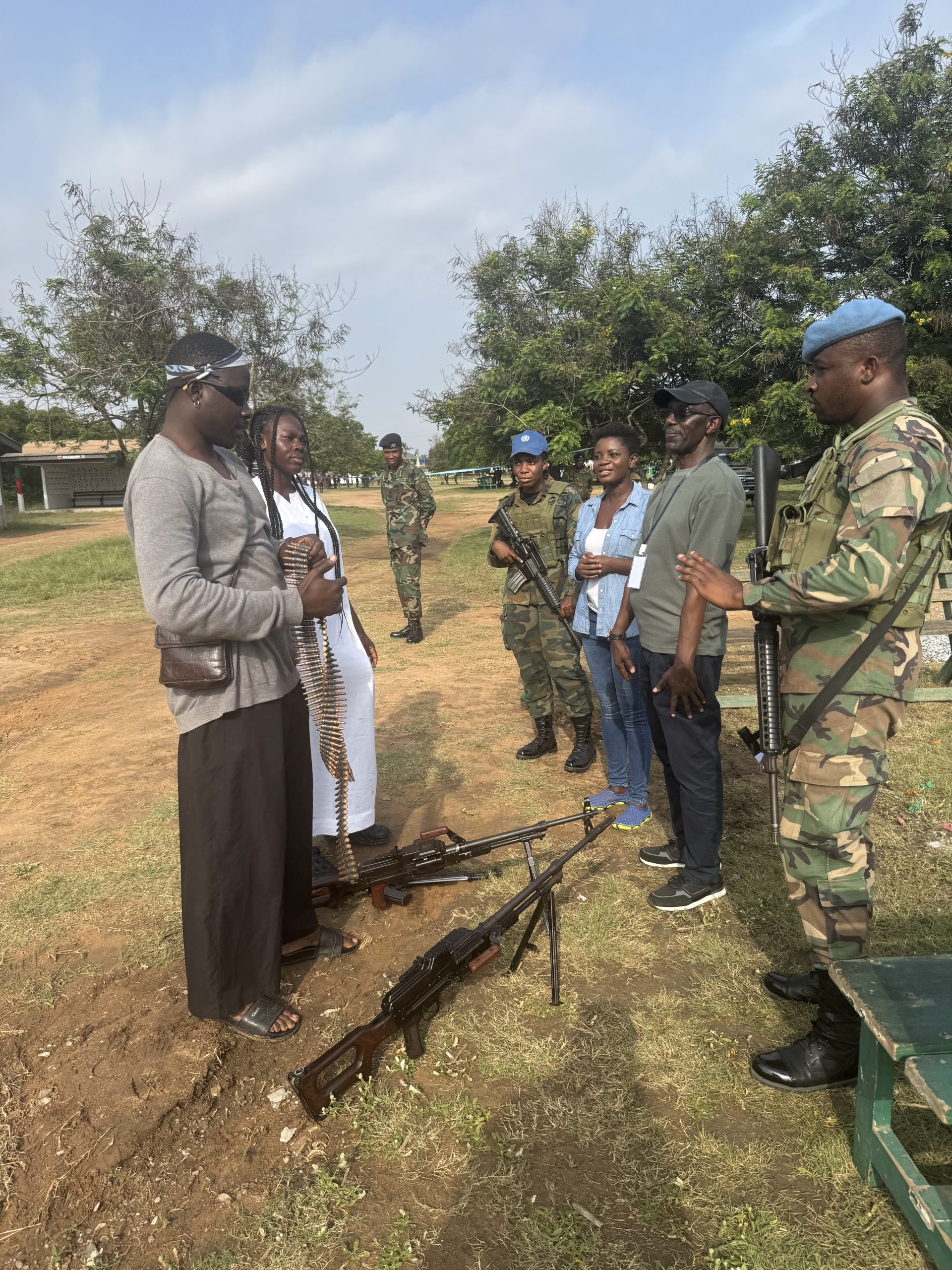
From 1 to 5 December 2025, the DDR Section and the Office for Disarmament Affairs (ODA) jointly organized the annual training course on Effective Weapons and Ammunition Management in a Changing Disarmament, Demobilization, and Reintegration Context in Accra, Ghana, in collaboration with the United Nations Institute for Training and Research, the United Nations Mine Action Service, and the Folke Bernadotte Academy. The training brought together participants from national authorities, regional organizations, UN peace operations, UN entities, and civil society. Hosted at the Kofi Annan International Peacekeeping Training Centre (KAIPTC), the training strengthened participants’ capacity to integrate WAM into DDR processes in a practical and context-sensitive manner. Through interactive sessions, peer exchanges, scenario-based and practical exercises, participants enhanced their capacity to plan disarmament activities, strengthened their operational WAM knowledge and explored practical linkages between Transitional WAM and community violence reduction (CVR). The training also strengthened professional networks among practitioners, contributing to a growing community of practice on WAM in DDR and supporting continued peer exchange beyond the course.
7. Recent Publications
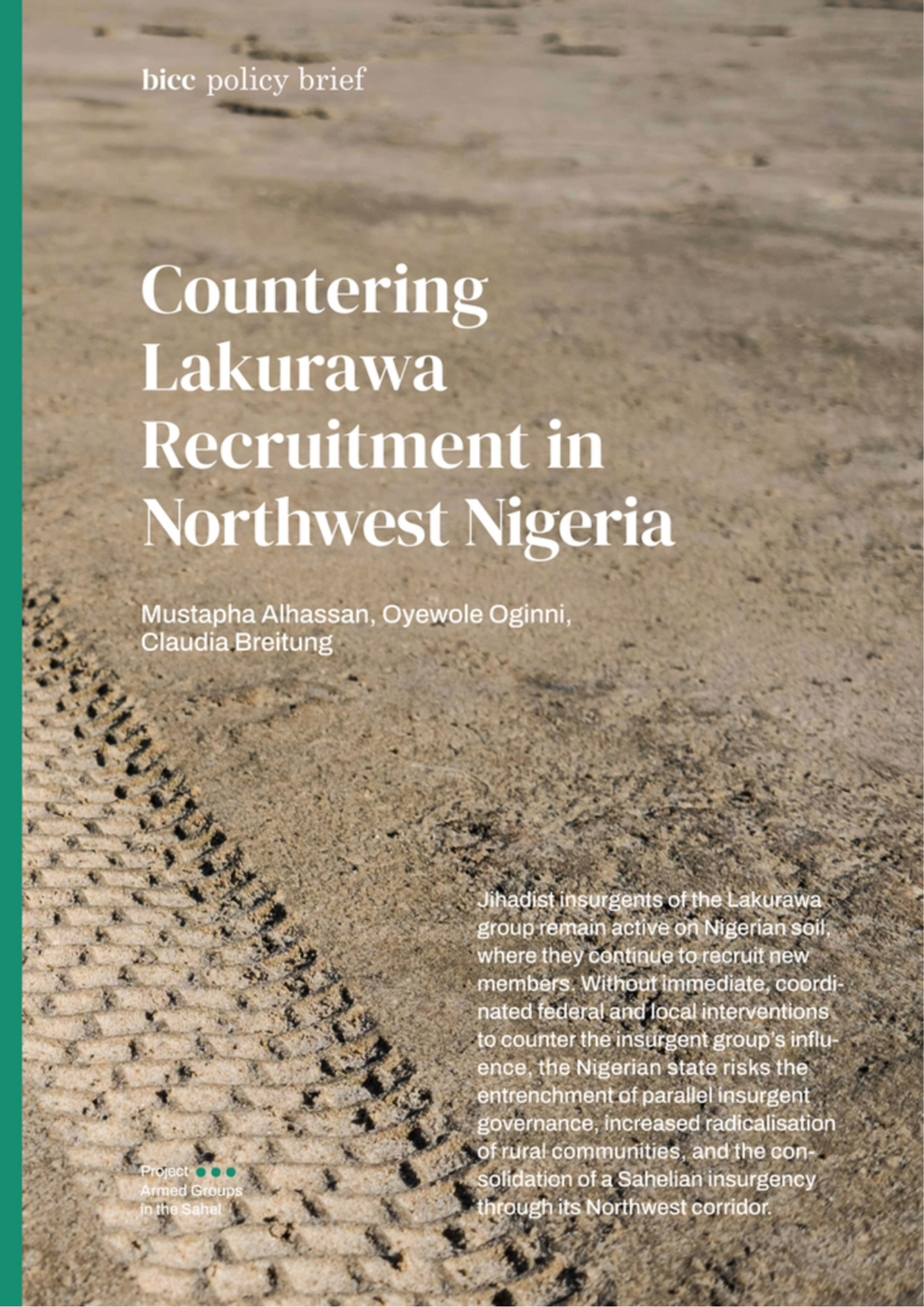
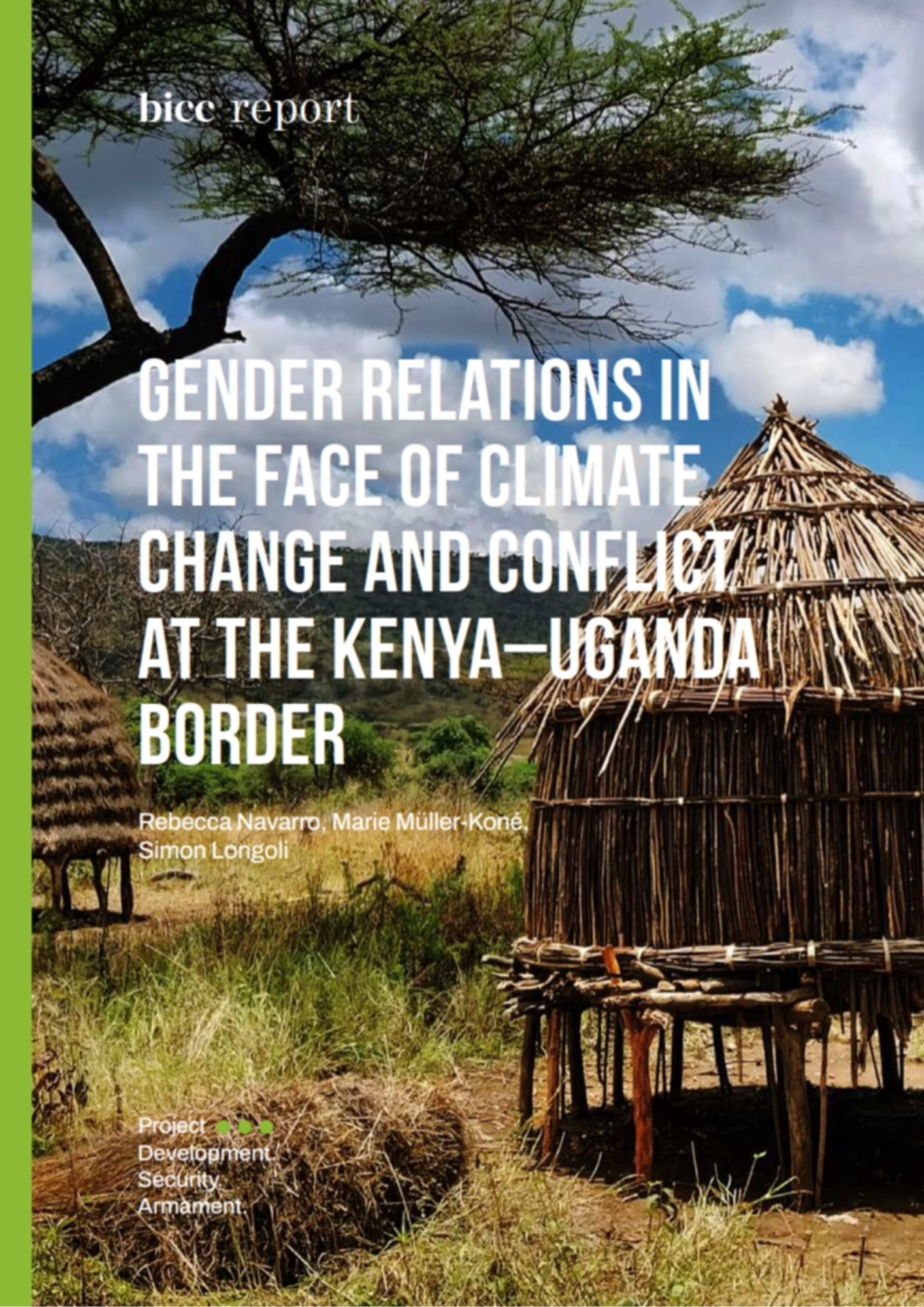
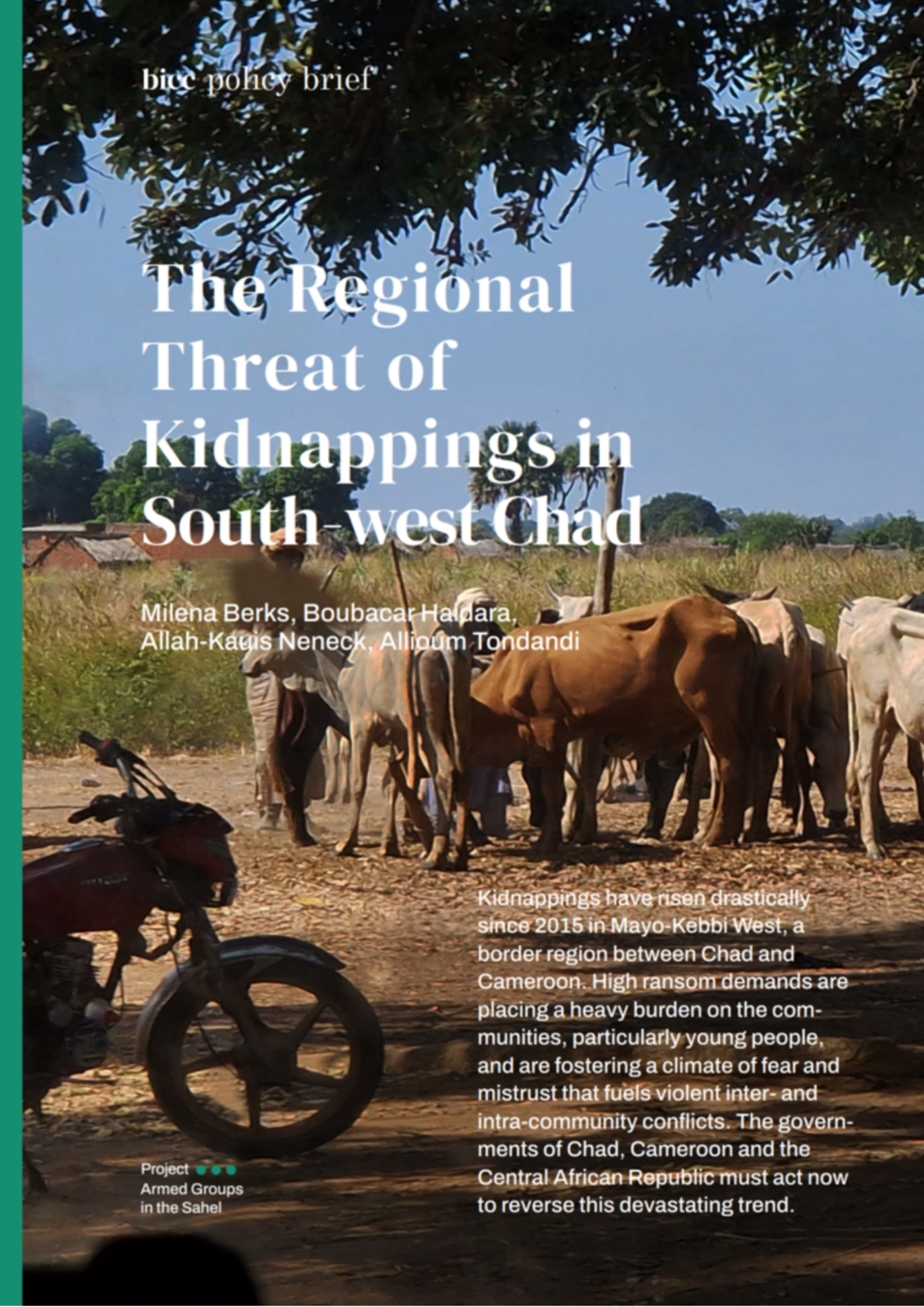
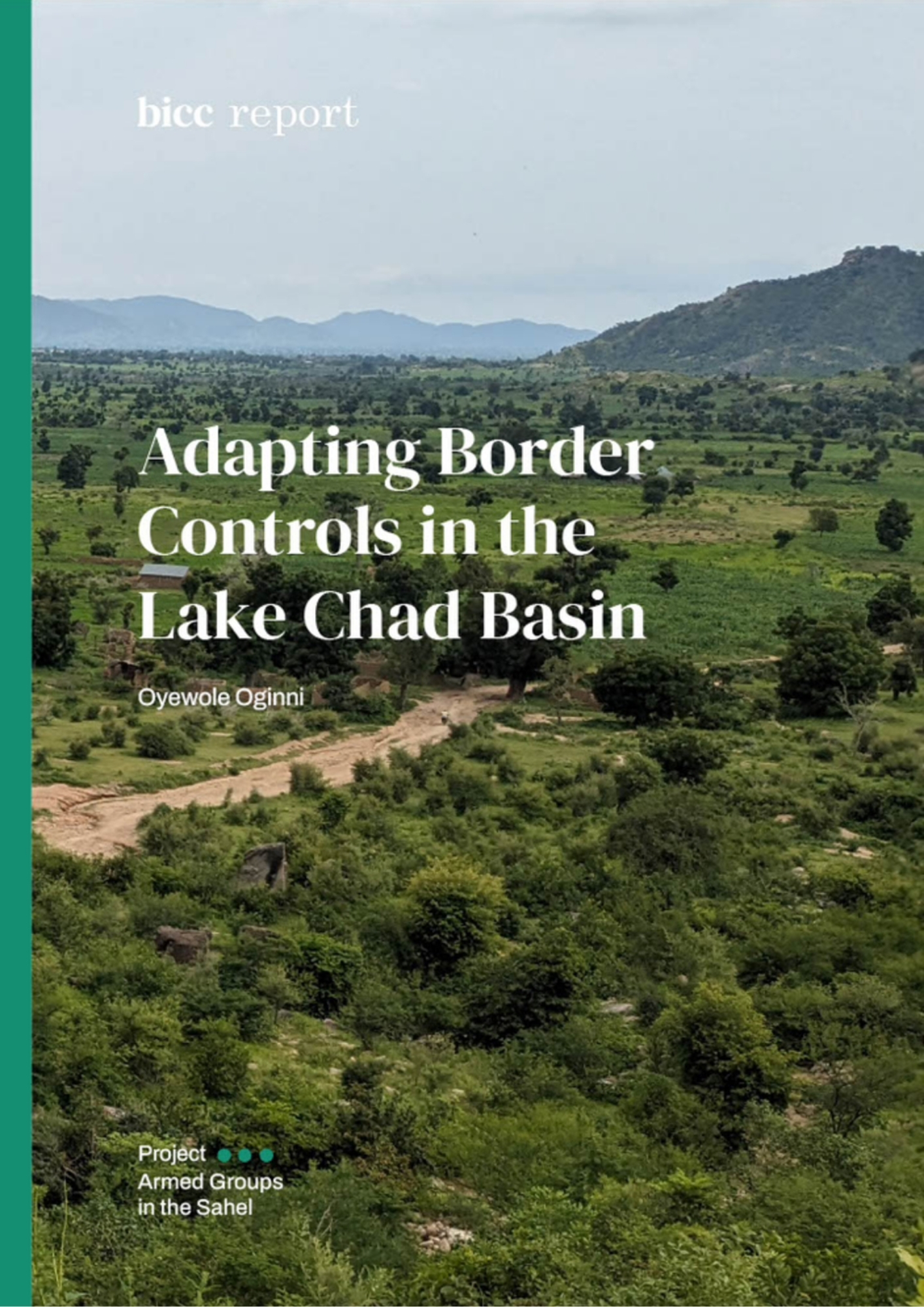

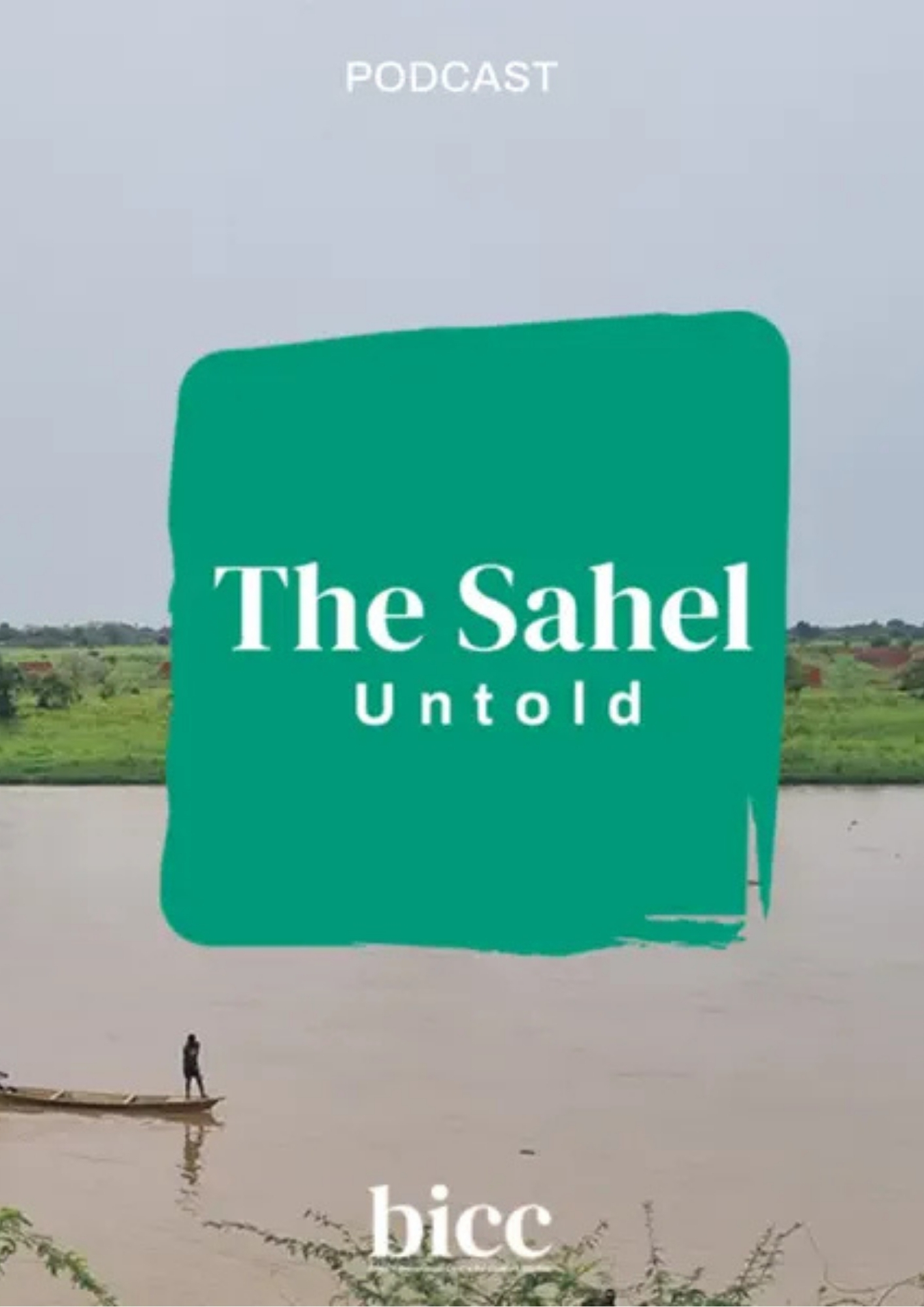
8. Upcoming Events and Trainings
Gender, Women and DDR Course
International Peace Support Training Centre (IPSTC), Nairobi, 19 – 30 January 2026
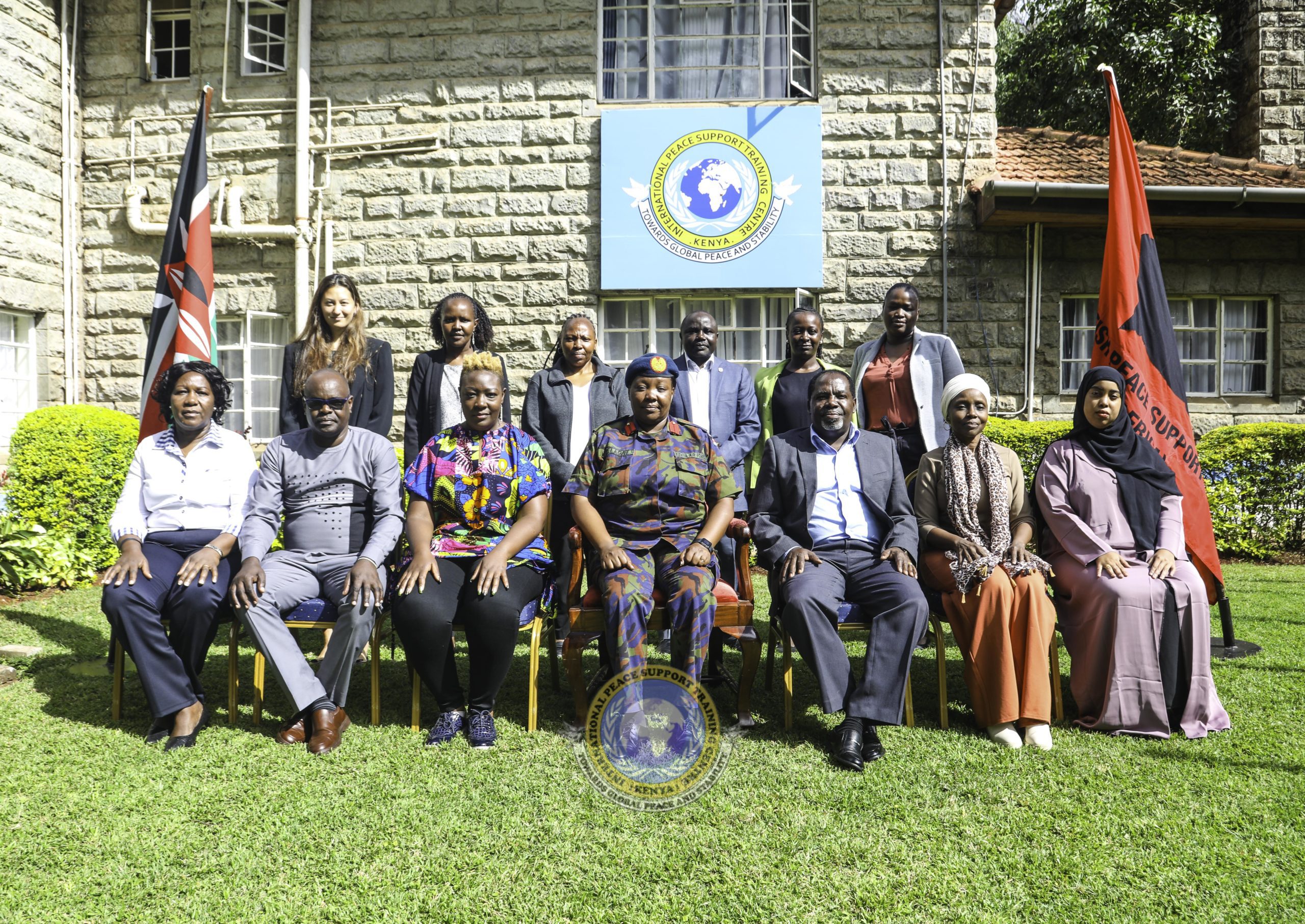
The course aims to strengthen participants’ capacity to integrate gender perspectives and women- and girls-specific interventions in DDR, targeting a broad range of military, police and civilian actors involved in DDR processes. It addresses historical gender gaps in DDR by highlighting the diverse roles of men, women, boys and girls in conflict and DDR, and is delivered through a mix of theoretical instruction and practice-oriented, problem-based learning aligned with six core learning outcomes.
Disarmament, Demobilisation and Reintegration Foundation Course 2026
Kofi Annan International Peacekeeping Training Centre (KAIPTC), Accra, 23 – 27 March 2026
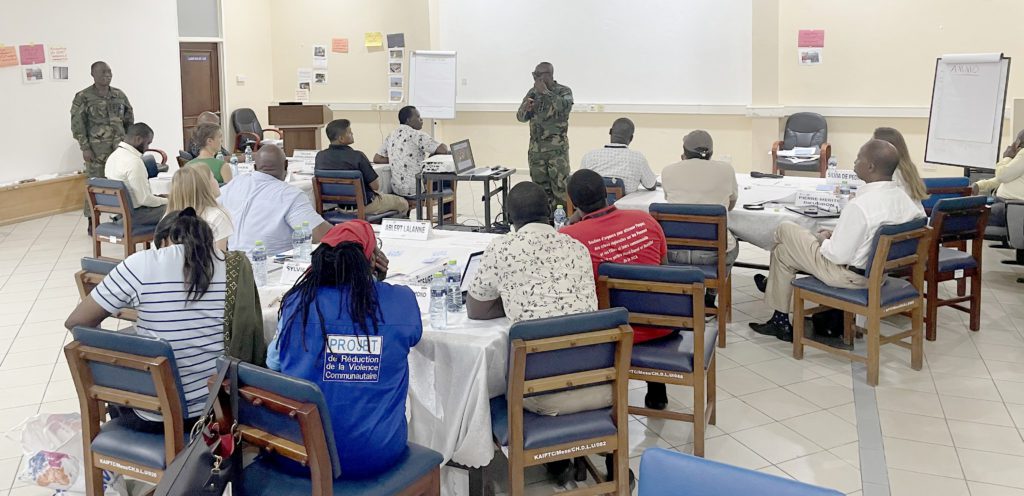
The course aims to equip participants with a solid conceptual and operational understanding of DDR principles, processes, and evolving approaches. It targets military, police, civilian professionals, researchers, and representatives from UN entities, national and regional institutions, civil society, and academia involved in peacebuilding and DDR. Using a collaborative, problem-based learning approach, the course is structured around six modules covering the full DDR cycle from legal frameworks and planning to reintegration and cross-cutting issues.
Security Sector Reform and Disarmament, Demobilization and Reintegration Level 1 Course
International Peace Support Training Centre (IPSTC), Nairobi,18 – 29 May 2026
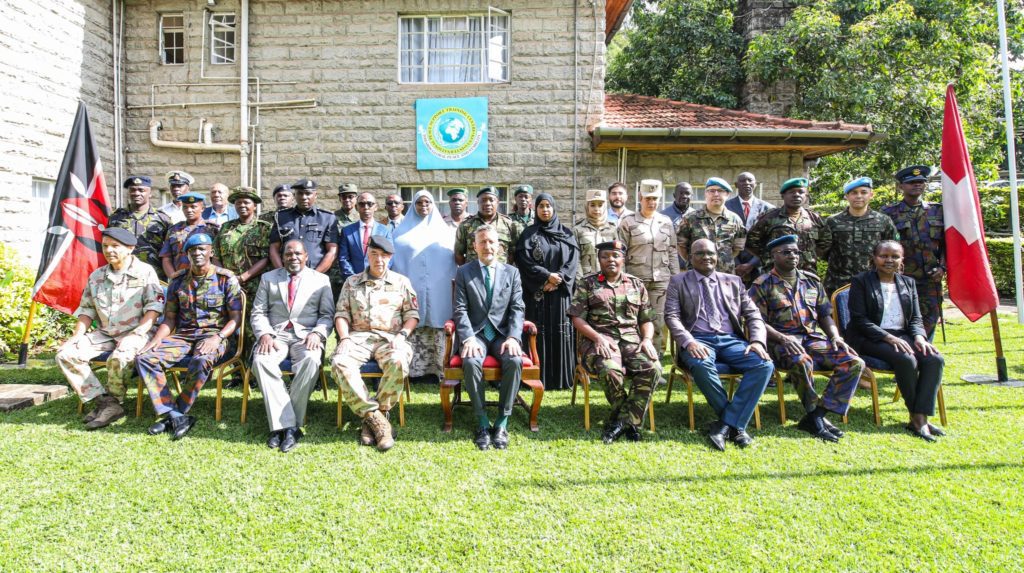
The SSR and DDR course aims to strengthen participants’ understanding of SSR and DDR objectives, frameworks, and processes to support inclusive initiatives in peace operations and Member States and to enhance their ability to influence organizational decision-making. It targets mid-level military, police, and civilian practitioners working with international, regional, and sub-regional organizations, Member States, and peace support operations. The course is designed for professionals directly engaged in SSR and DDR policy development, planning, and implementation.
For more information: please visit the Integrated DDR Training Group (IDDRTG)
The DDR Section extends its special thanks to Ivan Divilkovskiy and Andres Jurado Coral for their contributions to the production of this bulletin.